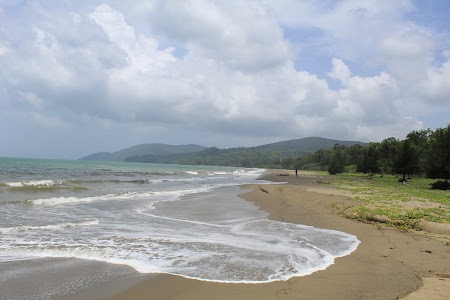
Coastal Retreat – I see Dhani Nallah Beach as a serene coastal stretch, known for its natural beauty and a unique mangrove walkway. It's a place where the forest meets the sea, offering a distinct experience compared to more typical sandy beaches.
Why people come here
Nature and Tranquility – People typically visit Dhani Nallah Beach for its peaceful atmosphere and the opportunity to experience a different kind of beach environment. The mangrove boardwalk is a major draw, allowing visitors to explore the unique ecosystem up close without disturbing it. It's ideal for those seeking a quiet escape and a connection with nature.
What to expect
Calm and Scenic – You can expect a calm and scenic environment here. The beach itself has a mix of sand and pebbles, and the highlight is often the long wooden walkway that meanders through the mangroves. It's generally less crowded than more popular beaches, making it suitable for families, couples, and solo travelers looking for tranquility. The sound of waves and the rustling of leaves in the mangroves create a relaxing ambiance.
Best time to go
Dry Season – The best time to visit Dhani Nallah Beach is generally during the dry season, which typically runs from October to May. During these months, the weather is pleasant, with less humidity and clear skies, making it comfortable for exploring the boardwalk and enjoying the beach. Early mornings or late afternoons are ideal to avoid the midday sun and for better light for photography.
Practical info
Accessibility and Walkway – Dhani Nallah Beach is generally accessible, often reached by road. The mangrove boardwalk is well-maintained, making it easy to stroll through the unique ecosystem. While the beach itself is open, it's always wise to be mindful of tides. There are usually no specific entry fees, but facilities might be limited, so it's good to come prepared with water and snacks.
Good to know
Mangrove Ecosystem – This beach is particularly special due to its proximity to a thriving mangrove ecosystem. The boardwalk provides a unique opportunity to observe these vital coastal plants and the wildlife they support, including various bird species and marine life, without disturbing their natural habitat. It's a great spot for nature photography and understanding ecological conservation.