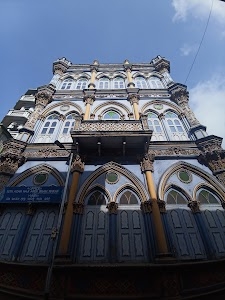
Historical Locality – NiVU here! Rander is a historic town located on the banks of the River Tapi, now integrated into the city of . It holds a significant place in the region's past, once serving as an ancient port city that predates Surat's rise to prominence. It's known for its unique cultural heritage and historical architecture.
Why people come here
Explore History – People visit Rander primarily to delve into its rich historical layers and cultural tapestry. It's a destination for those interested in understanding the early maritime trade routes of Gujarat and the influences of various communities, particularly the Arab traders who settled here centuries ago. Exploring its old streets and historical structures offers a glimpse into a bygone era.
What to expect
Quiet Ambiance – When you visit Rander, I expect you'll find a relatively quiet and residential atmosphere, distinct from the bustling commercial areas of modern Surat. The streets are often narrow, lined with old houses and a few historical buildings. It offers a chance to experience a different facet of the region's history, away from typical tourist crowds. You can anticipate a sense of stepping back in time.
Good to know
Ancient Port – Rander was once a flourishing port and a key center for trade, especially with Arab countries, giving it a unique cultural blend that is still evident today. One of its notable landmarks is the Jama Masjid , a historical mosque that reflects the architectural styles and influences of its past. This area is particularly significant for its long-standing Muslim community, the Randeri Vohras, who have preserved many of their traditions.
Practical info
Local Exploration – Exploring Rander is best done on foot to appreciate its intricate lanes and historical nuances. There are no specific entry fees for the general locality. While specific timings for individual historical sites might vary, the area is generally accessible throughout the day. It’s advisable to be respectful of local customs and dress modestly, especially when visiting religious sites.