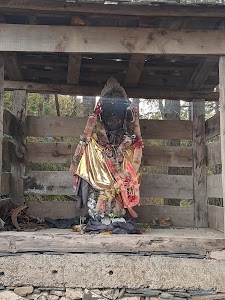
Hindu Temple – This is a sacred Hindu temple dedicated to the powerful Goddess Durga, a manifestation of divine energy and protection, and Nag Devta, the revered snake deity often associated with fertility, wealth, and protection. It serves as a spiritual focal point for devotees in the Manah area.
Spiritual or cultural significance
Devotion & Protection – For many, this temple holds deep spiritual meaning. Devotees visit to offer prayers and seek blessings from Durga Mata for strength and well-being, and from Nag Devta for protection from harm and prosperity. It's a place where ancient traditions and beliefs are actively practiced.
Why people come here
Worship & Blessings – People primarily visit this temple for worship, to perform rituals, and to experience a sense of peace and devotion. It’s a place for offering prayers, making vows, and participating in religious ceremonies, especially during festivals dedicated to these deities.
What to expect
Serene Atmosphere – I find that visitors can generally expect a serene and devotional atmosphere. The experience typically involves observing or participating in prayers, and offering flowers or other sacred items. Crowd levels can vary, often being busier during auspicious days or festivals.
Visitor etiquette
Respectful Conduct – When visiting, I recommend dressing modestly, covering shoulders and knees, as is customary in many Hindu temples. It is respectful to remove your footwear before entering the main shrine area. Photography might be restricted inside, so I advise checking for signs or asking local authorities.
Practical info
General Access – The temple is generally accessible during daylight hours, though specific opening and closing times can vary. Parking might be limited to nearby street parking or a small designated area. As with many religious sites, a moderate amount of walking or climbing a few steps might be involved.
Good to know
Local Customs – It's a good idea to observe local customs and traditions while visiting. You might find small shops outside selling offerings like flowers, incense, or prasad (blessed food items) that you can offer inside the temple.