



Indian Institute of Advanced Study, Shimla
What is this place?
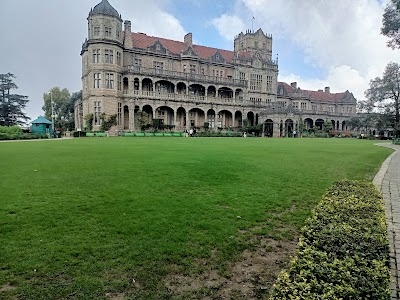
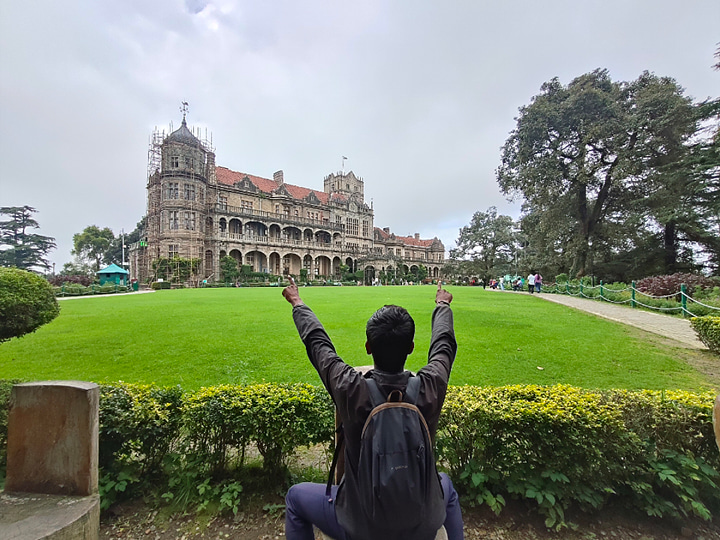
Historic Institution – This is a prestigious research institution nestled in a magnificent Victorian-era building. Originally the summer retreat of the British Viceroys, it now serves as a hub for advanced studies in humanities and social sciences. I see it as a captivating blend of academic pursuit and historical grandeur.Historical Background
Viceregal Lodge – The building was originally known as the Viceregal Lodge, designed by Henry Irwin and completed in 1888. It served as the summer residence for the Viceroy of India during the British Raj. After India's independence, it became the Rashtrapati Niwas before being converted into the Indian Institute of Advanced Study in 1965.Key Highlights
Architectural Marvel – Visitors are often drawn by its stunning Scottish Baronial architecture, sprawling landscaped lawns, and profound historical significance. I find the interiors, especially the grand halls and the historic library, quite captivating.Guided Tours – You can explore specific parts of the building and its beautiful gardens through guided tours. These tours offer insightful narratives about the building's past and its current role as an academic institution.
What to Expect
Serene Grandeur – Expect a tranquil atmosphere, rich historical insights, and impressive colonial architecture. It's a place for quiet reflection and appreciating heritage. The crowd is generally respectful, comprising history enthusiasts and those seeking a peaceful escape.Best Time to Go
Pleasant Weather – The spring months (March to May) and autumn (September to November) offer the most pleasant weather for exploring the grounds and enjoying the views. Weekdays are typically less crowded than weekends.Practical Info
Entry & Tours – There is generally a nominal entry fee for accessing the grounds, and a separate fee is usually charged for guided tours of the interior. Photography might be restricted in certain areas inside the building.Accessibility – The institute is located on Observatory Hill, which involves some uphill travel. Parking is typically available nearby, though it can vary by day.
Good to Know
Academic Hub – While a significant tourist attraction, remember that it remains an active academic institution. Respecting the scholarly environment and maintaining decorum is key during your visit. The institute's library is particularly noteworthy for its extensive collection.