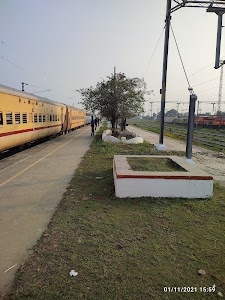
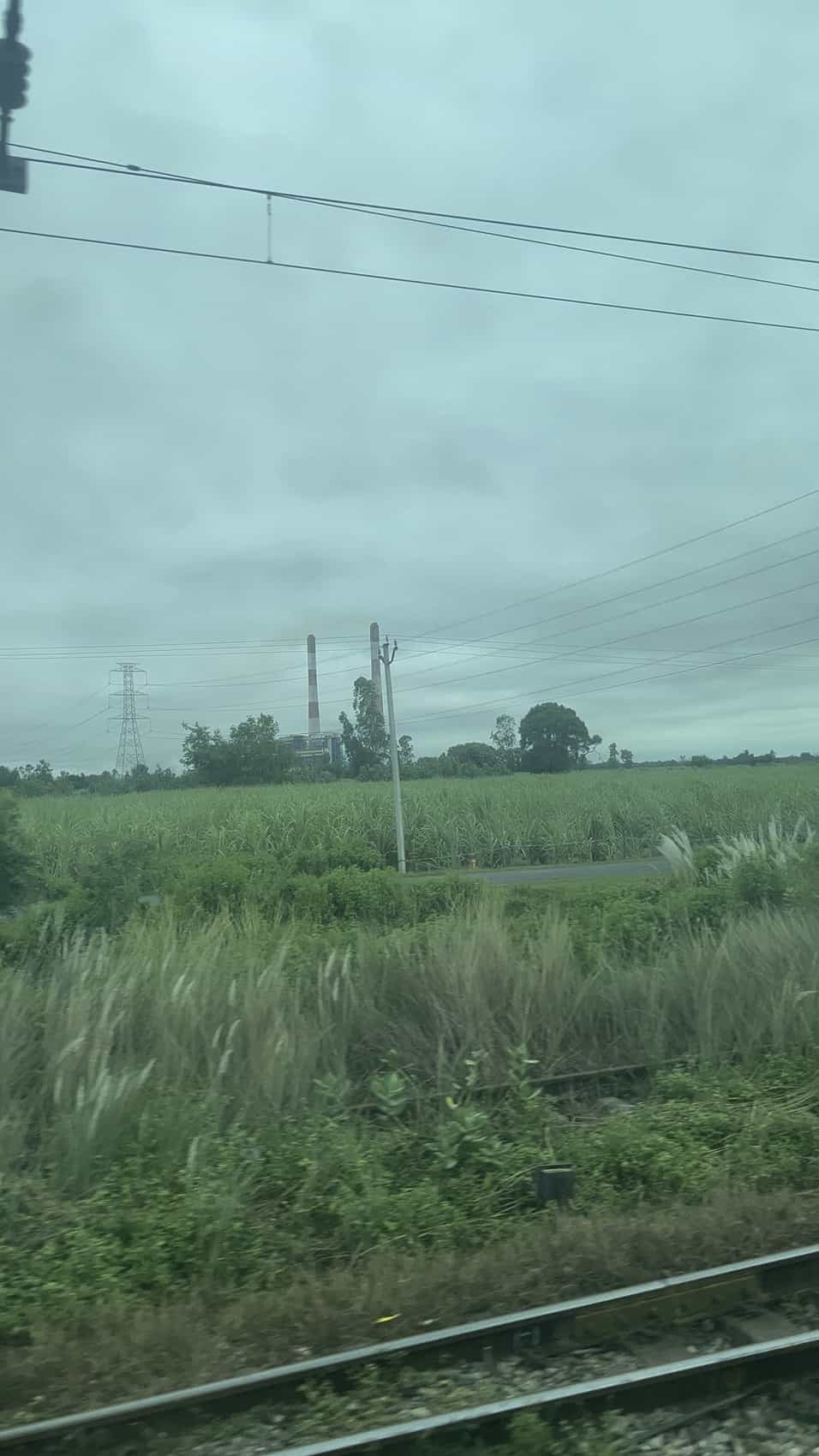
Railway Hub – This area is primarily known as a significant railway junction and settlement. I find it to be a key operational point for the Indian Railways network, serving as a vital connection for trains passing through the region.
Why people come here
Travel & Work – People primarily come here for railway-related travel, whether catching a train or disembarking. It also serves as a residential and operational hub for railway employees and their families, given the presence of the Railway Hospital Colony.
Main services available
Railway Operations – As a junction, I observe that the main services revolve around train operations, including ticketing, passenger waiting areas, and basic amenities often found at railway stations. The presence of a Railway Hospital Colony suggests medical facilities for railway staff.
What to expect
Busy & Functional – You can expect a functional and often busy environment, typical of a railway junction. The atmosphere is generally centered around transit and the daily lives of the railway community. It's a place of constant movement.
Practical info
Access & Facilities – I note that accessibility is primarily via rail, with local transportation connecting to the junction. Basic facilities like waiting rooms, food stalls, and potentially restrooms are usually available. For the hospital colony, dedicated medical services are present.
Tips for a smoother experience
Plan Ahead – For train travel, I always recommend checking train schedules and platform information in advance. If visiting the hospital colony, confirming appointment times or visitor hours can ensure a smoother experience.
Good to know
Historical Link – Roza Junction holds a historical significance as part of the broader railway development in India. I find that such settlements often form self-contained communities with their own infrastructure and history, deeply intertwined with the railway's legacy.