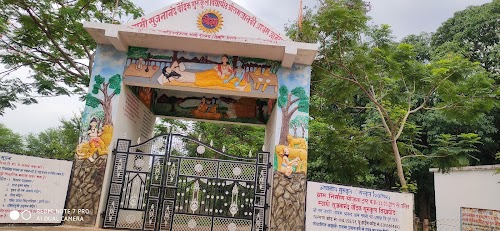
Village Life – Sagni is a locality situated in the Indian state of Chhattisgarh . I see it as a typical example of a rural area in the region, offering a glimpse into local life and agricultural practices. It functions primarily as a residential and farming community rather than a specific tourist destination with defined attractions.
What is this place?
Rural Locality – I identify Sagni as a village or rural locality within the larger landscape of Chhattisgarh . It embodies the essence of countryside living, characterized by its natural surroundings and close-knit community.
Why people come here
Authentic Experience – People typically come to Sagni to experience authentic village life, connect with the local culture, or for personal visits to family and friends. I find that it provides a peaceful contrast to urban environments, allowing visitors to observe daily routines in a traditional rural setting.
What to expect
Tranquil Atmosphere – When you visit, I expect you'll find a tranquil and unassuming atmosphere, largely defined by agricultural fields and local homes. The pace of life here is generally slower, offering a chance for quiet immersion. It suits those interested in cultural insights or a calm, undemanding environment.
Best time to go
Cooler Months – I suggest planning your visit during the cooler months, typically from October to March. The weather during this period is more comfortable for outdoor activities and experiencing the local environment without the intense heat of summer or the heavy monsoon rains.
Practical info
Basic Amenities – I recommend being prepared for basic amenities, as Sagni is a rural area. Local transportation options might be limited, often relying on shared autos or private vehicles. It’s always a good idea to carry essentials and confirm local transport arrangements in advance.
Good to know
Cultural Glimpse – I think it's good to know that exploring Sagni offers a chance to understand the agricultural backbone and local customs of Chhattisgarh . You might observe traditional farming methods and local community interactions, providing a deeper cultural insight into the region.