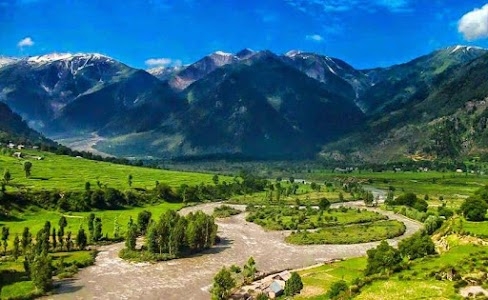
High-altitude sanctuary – This is a protected area nestled in the Himalayas, primarily established to conserve the unique flora and fauna of the region. It's characterized by its rugged mountainous terrain, dense forests, and alpine meadows.
Why people come here
Wildlife and wilderness – People typically visit to experience raw Himalayan wilderness and for the chance to spot rare wildlife, including the elusive Snow Leopard. It’s a destination for those seeking adventure and a deep connection with nature.
What to expect
Remote and challenging – I find that visitors can expect a truly remote and untouched environment. The landscape is dramatic, with high peaks and deep valleys. It’s generally quiet, offering solitude for those prepared for a challenging journey.
What to do here
Trekking and spotting – Here, the main activities revolve around trekking through diverse landscapes, from dense coniferous forests to high-altitude pastures. It’s an ideal spot for wildlife enthusiasts hoping to catch a glimpse of species like the Himalayan Brown Bear or Musk Deer, and for nature photographers.
Best time to go
Summer months – The most accessible and enjoyable time to visit is generally from May to October. During these months, the snow has largely melted, making trekking routes passable and the weather more favorable for exploration.
Practical info
Permits and guides – Accessing this national park typically requires permits, and it's advisable to arrange for experienced local guides due to the challenging terrain and remote nature. The effort level is high, demanding good physical fitness.
Remote access – Reaching the park involves travel through mountainous roads, often followed by significant trekking. Be prepared for limited facilities and self-sufficiency.
Good to know
Elusive wildlife – While the park is home to incredible species, spotting them can be quite challenging due to their elusive nature and the vastness of the park. Patience and a bit of luck are key.
High altitude conditions – Be aware that you will be at high altitudes, so proper acclimatization and preparedness for varying weather conditions are essential for a safe and enjoyable trip.