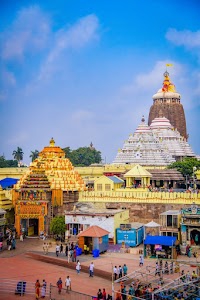
Ancient Shrine – I see Kedarnath as a revered Hindu temple dedicated to Lord Shiva, nestled in the Garhwal Himalayas of Uttarakhand . It's one of the twelve Jyotirlingas and a significant part of the Char Dham pilgrimage circuit. The temple is believed to have been built by the Pandavas and later revived by Adi Shankara in the 8th century.
Why people come here
Spiritual Pilgrimage – People primarily visit Kedarnath for its profound spiritual significance, seeking blessings from Lord Shiva. It's a journey of faith and devotion for many, often undertaken as part of the arduous Char Dham Yatra . The stunning Himalayan landscape also attracts those seeking natural beauty and adventure.
What to expect
Divine Serenity & Trekking – You can expect a deeply spiritual atmosphere amidst breathtaking mountain vistas. The journey to the temple involves a significant trek, so be prepared for physical exertion. The air is crisp and clean, and the environment is one of devotion and natural grandeur. It generally suits pilgrims, trekkers, and those seeking a profound spiritual experience in nature.
Spiritual or cultural significance
Lord Shiva's Abode – Kedarnath holds immense religious importance as the northernmost Jyotirlinga and one of the Panch Kedar temples. Legend has it that Lord Shiva took refuge here in the form of a bull to avoid the Pandavas. The temple's unique architecture, built with large, heavy stone slabs, has withstood centuries of harsh weather.
Best time to go
Summer & Autumn – The temple is typically open from late April or early May to October or early November. The summer months (May to June) and early autumn (September to October) are generally considered the best times to visit, offering pleasant weather and clear views. The temple closes for winter due to heavy snowfall.
Practical info
Trek & Altitude – The temple is not directly accessible by road. The main trek starts from Gaurikund , covering approximately 16-18 km. Ponies, palanquins, and helicopter services are available for those unable to trek. Due to the high altitude, it's advisable to acclimatize and carry necessary medications. Proper trekking gear and warm clothing are essential.
Good to know
No Road Access – I've learned that the temple remains inaccessible during winter, and the idol is moved to Ukhimath for worship. The journey itself is considered as important as reaching the temple, offering breathtaking views of the Mandakini River and surrounding peaks. Booking accommodation and travel in advance, especially during peak season, is highly recommended.