
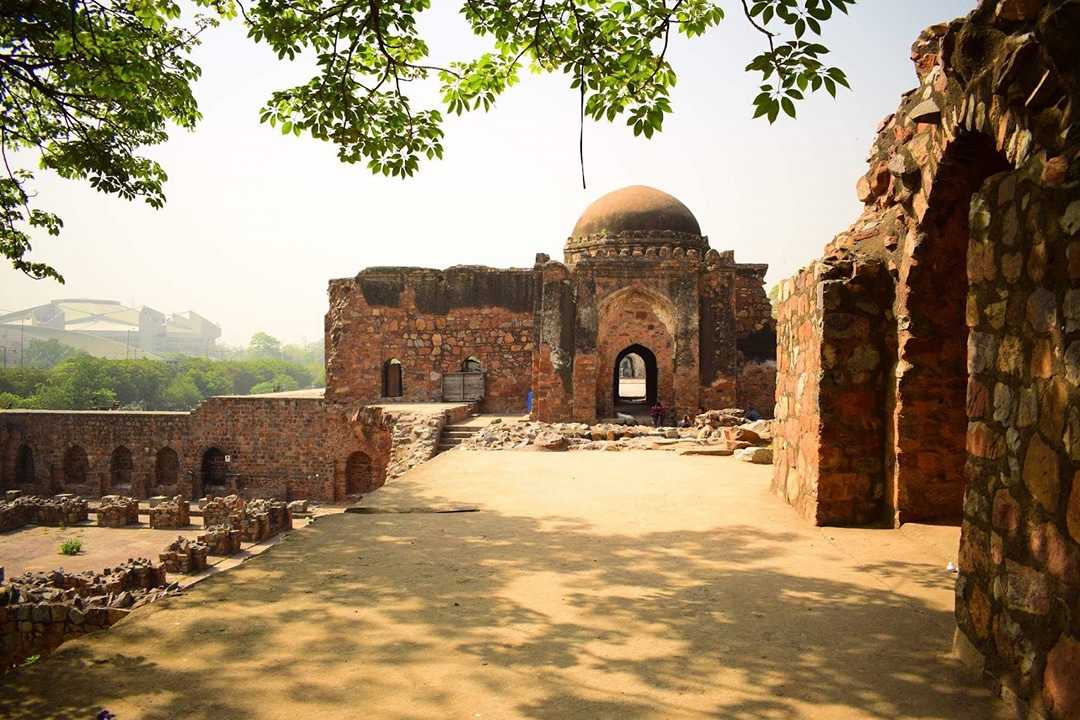



Feroz Shah Kotla Fort – A Glimpse into Delhi's Past
What is this place?
Ancient Fortress – I see Feroz Shah Kotla Fort as a historic fortress and a significant archaeological site located in Delhi, India. It was one of the many cities of Delhi, built by Sultan Firoz Shah Tughlaq in the 14th century.Historical Background
Tughlaq Dynasty – This fort was established in 1354 by Sultan Firoz Shah Tughlaq, who ruled the Delhi Sultanate. It served as the capital city of Firozabad during his reign, encompassing palaces, mosques, and public baths. Ashokan Pillar – A prominent feature here is the Ashokan Pillar, brought from Topra Kalan in Ambala by Firoz Shah himself. This pillar dates back to the 3rd century BCE and carries inscriptions by Emperor Ashoka, signifying its deep historical roots.Key Highlights
Architectural Remains – As you explore, you'll find various ruins including parts of palaces, residential areas, and the impressive Jami Masjid, one of the oldest and largest mosques in Delhi. Its scale suggests its past grandeur. Baoli and Pillar – Don't miss the circular Baoli , a stepwell that provided water to the fort, and of course, the towering Ashokan Pillar which stands majestically, offering a tangible connection to ancient India.Why People Come Here
History Enthusiasts – People typically visit Feroz Shah Kotla Fort to immerse themselves in Delhi's rich medieval history and explore the remnants of a powerful sultanate. It's a place for those interested in archaeology and architecture. Spiritual Significance – The fort also holds a unique spiritual draw, particularly on Thursdays, when devotees visit the Djinn (genie) shrines located within the ruins, believing they can grant wishes.What to Expect
Ruins and Serenity – I find that visitors can expect to walk through sprawling ruins, offering a sense of peace amidst the city's hustle. The atmosphere is generally calm, though it can be bustling on Thursdays due to the spiritual practices. Exploration – You'll be exploring an open-air site with uneven terrain, so comfortable footwear is advisable. It's a place for walking and imagining the past life of a medieval city.Best Time to Visit & Practical Info
Cooler Months – The best time to visit is typically during the cooler months, from **October to March**, when the weather is more pleasant for outdoor exploration. Early mornings or late afternoons can offer a more tranquil experience. Duration and Access – I estimate that visitors generally spend about **1 to 2 hours** exploring the fort. It's usually open during daylight hours, and there's a nominal entry fee. Parking is often available nearby, though it can be limited.Good to Know
Djinn Worship – It's interesting to note the local tradition of writing letters to the Djinns, or spirits, and leaving them at specific spots within the fort, particularly near the mosque and the pillar. This adds a unique cultural dimension to the visit.