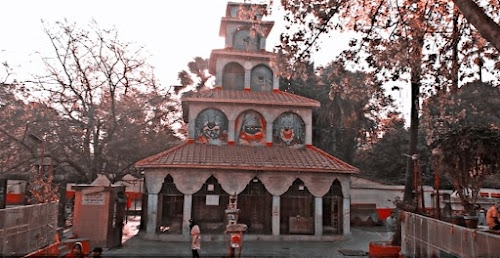
Ancient Shrine – This site encompasses the revered Sitla Devi Mandir, a Hindu temple dedicated to Goddess Sitala, known for her healing powers. Adjacent to the temple is the ancient and mysterious Agam Kuan, a deep well with significant historical and mythological associations. I see it as a dual-purpose destination blending spiritual devotion with historical intrigue.
Spiritual or cultural significance
Healing & History – The Sitla Devi Mandir holds deep spiritual significance for devotees seeking blessings for health, particularly protection from diseases. The Agam Kuan is historically linked to Emperor Ashoka from the Mauryan period, believed by some to be a place of punishment or a hidden treasure well. Its unfathomable depth and age make it a unique cultural landmark.
Why people come here
Devotion & Curiosity – People primarily visit the Sitla Devi Mandir for religious offerings and prayers, especially seeking the goddess's protection and healing. The Agam Kuan draws visitors interested in its ancient history, architectural mystery, and the legends surrounding Emperor Ashoka. It's a place for both spiritual solace and historical exploration.
What to expect
Devotional Atmosphere – You can expect a traditional temple environment at Sitla Devi Mandir, often bustling with devotees, especially during auspicious days. The Agam Kuan offers a contrasting experience, providing a glimpse into ancient engineering and a sense of historical gravitas. The overall atmosphere is a blend of spiritual reverence and historical wonder.
Visitor etiquette
Respectful Conduct – When visiting the temple, I recommend dressing modestly, covering shoulders and knees as a sign of respect. Photography might be restricted inside the main shrine. At Agam Kuan, it's advised to observe from a safe distance and maintain a quiet demeanor, respecting its historical importance.
Good to know
Unfathomable Depths – The Agam Kuan is famously known as the "unfathomable well" due to its immense depth, which has never been fully measured. Local legends suggest it connects to underground rivers or even other ancient sites. The well also features a small shrine dedicated to Hindu deities.