
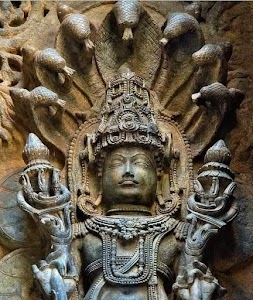



Aayodha Ji Temple, Ghughulpatti
Spiritual & Cultural Hub – For millions of devotees, this site holds immense spiritual importance, symbolizing faith, devotion, and a significant chapter in the Ramayana epic. It serves as a major pilgrimage destination and a focal point of cultural identity, representing centuries of devotion and historical narratives connecting to India's ancient heritage.
Architectural Grandeur – Visitors also come to witness the grand architecture and intricate carvings of the temple. Its design blends traditional Indian temple styles with modern craftsmanship, making it a significant architectural marvel.
Crowds & Security – Given its profound significance, anticipate significant crowds, especially during festivals and auspicious days. There are generally strict security measures in place to ensure visitor safety.
Footwear & Silence – You'll typically need to remove your footwear before entering the main temple premises. Maintaining a calm and quiet demeanor is appreciated to preserve the sanctity of the environment for all devotees.
Early Morning – For a more serene experience and to avoid peak crowds, I recommend visiting early in the morning, shortly after the temple opens.
Facilities – You can typically find facilities like washrooms, drinking water, and designated areas for shoe storage. Be prepared for security checks upon entry.
Historical Context – The temple's construction has a long and complex history, making it a site of both profound spiritual reverence and significant historical importance in India.
What is this place?
Sacred Birthplace – This is a deeply revered Hindu temple located in Ghughulpatti, within the sacred city of Ayodhya . It is widely known as the Shri Ram Janmabhoomi Temple, believed to be the legendary birthplace of Lord Rama, a central deity in Hinduism.Spiritual & Cultural Hub – For millions of devotees, this site holds immense spiritual importance, symbolizing faith, devotion, and a significant chapter in the Ramayana epic. It serves as a major pilgrimage destination and a focal point of cultural identity, representing centuries of devotion and historical narratives connecting to India's ancient heritage.
Why people come here
Pilgrimage & Worship – People primarily visit to offer prayers and seek blessings from Lord Rama. It is a major pilgrimage site for Hindus from across India and the world, fulfilling a long-held spiritual aspiration for many.Architectural Grandeur – Visitors also come to witness the grand architecture and intricate carvings of the temple. Its design blends traditional Indian temple styles with modern craftsmanship, making it a significant architectural marvel.
What to expect
Devotional Atmosphere – I expect you'll find a deeply devotional and spiritual atmosphere, often filled with chants and hymns. The temple complex is typically well-maintained and designed to accommodate a large number of pilgrims.Crowds & Security – Given its profound significance, anticipate significant crowds, especially during festivals and auspicious days. There are generally strict security measures in place to ensure visitor safety.
Visitor etiquette
Respectful Conduct – As a sacred site, respectful behavior is paramount. I advise dressing modestly, covering shoulders and knees. Photography rules may vary within the complex, so it's always best to check for current guidelines upon arrival.Footwear & Silence – You'll typically need to remove your footwear before entering the main temple premises. Maintaining a calm and quiet demeanor is appreciated to preserve the sanctity of the environment for all devotees.
Best time to go
Cooler Months – The cooler months from October to March are generally the most comfortable for visiting, as they avoid the intense heat of the summer. Weekdays might be less crowded than weekends.Early Morning – For a more serene experience and to avoid peak crowds, I recommend visiting early in the morning, shortly after the temple opens.
Practical info
Entry & Accessibility – Entry to the temple is generally free, but specific queues might be in place for darshan (viewing the deity). Accessibility for those with mobility challenges may vary in certain parts of the complex.Facilities – You can typically find facilities like washrooms, drinking water, and designated areas for shoe storage. Be prepared for security checks upon entry.
Good to know
Offerings – Many devotees bring offerings such as flowers, sweets, or coconuts. There are usually designated spots within or near the complex to purchase and present these.Historical Context – The temple's construction has a long and complex history, making it a site of both profound spiritual reverence and significant historical importance in India.
