



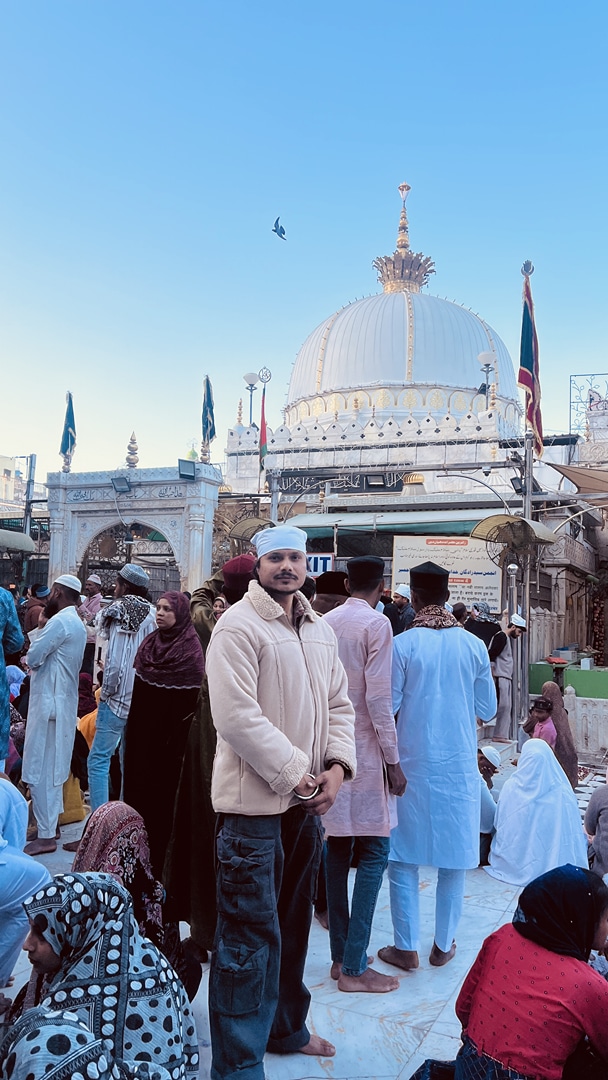
Ajmer Sharif Dargah, Ajmer
Historical Legacy – Khwaja Moinuddin Chishti’s profound teachings greatly influenced the spiritual landscape of India. The Dargah stands as a testament to his enduring legacy and the rich history of Sufism in the region.
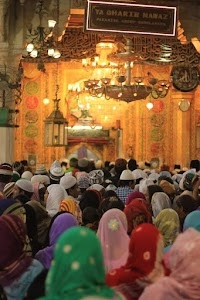
Spiritual Experience – It offers a unique atmosphere of devotion, communal harmony, and spiritual solace. It attracts those interested in Sufi traditions, interfaith understanding, and a profound sense of peace.
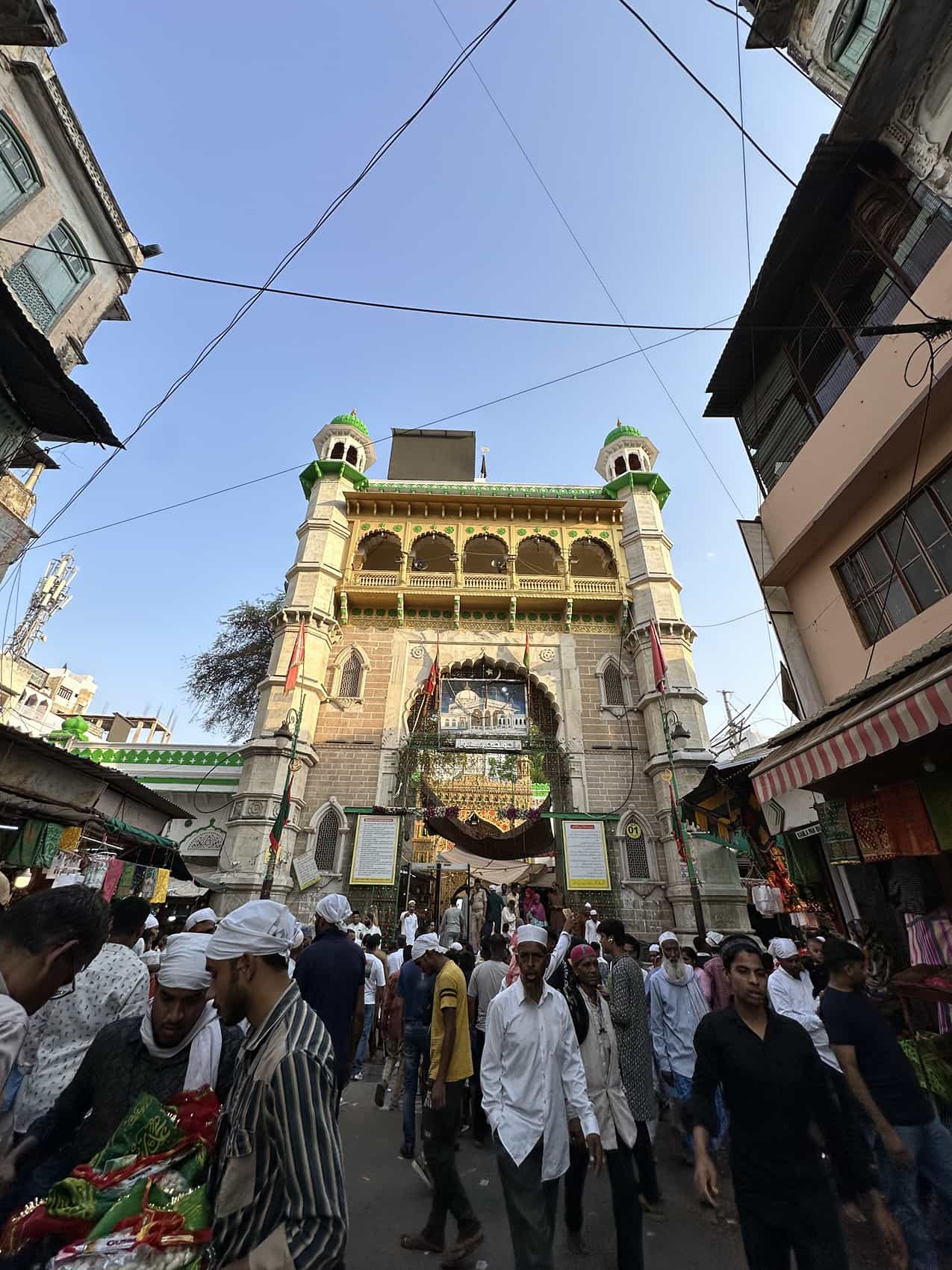
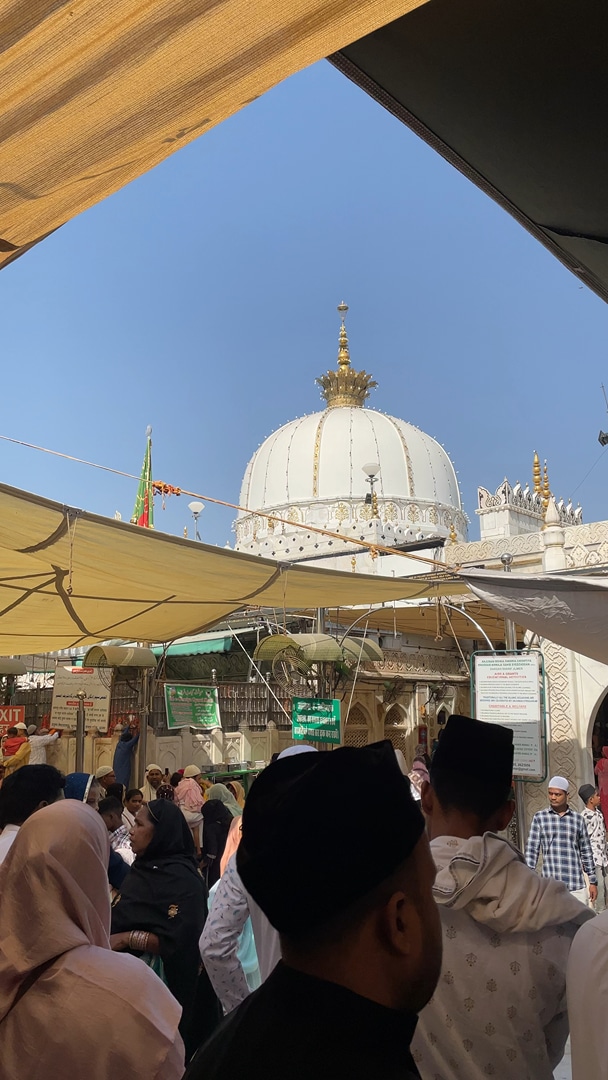
Crowds & Security – Expect significant crowds, especially during festivals and on weekends. Security is typically present, and queues can be long for darshan (viewing the tomb). Patience is often key.
Footwear & Silence – You'll need to remove your footwear before entering the main shrine complex. Inside, it's customary to maintain a respectful silence, especially near the sanctum, and avoid loud conversations.
Photography – Photography rules can vary. Generally, it's allowed in the outer courtyards but often restricted inside the main shrine. I recommend checking for signs or asking local guides if unsure.
Duration – A visit can typically take anywhere from 1 to 3 hours, depending on crowd levels and how much time you wish to spend in prayer or soaking in the atmosphere.
Accessibility – The Dargah is located in a busy market area. While the pathways within the complex are mostly accessible, expect some stairs and potentially uneven surfaces, especially during crowded times.
Qawwali Sessions – Experience soul-stirring qawwali performances, especially in the evenings, which significantly add to the spiritual ambiance and are a highlight for many visitors.
What is this place?
Sufi Shrine – I know this as the revered shrine (dargah) of Sufi Saint Khwaja Moinuddin Chishti, a prominent figure in Sufism who arrived in Ajmer in the 12th century. It’s a significant pilgrimage site for Muslims worldwide, and a place of spiritual solace for many others.Spiritual & Cultural Significance
Sacred Site – This Dargah is a powerful symbol of peace and spiritual harmony, embodying the Chishti order's teachings of love and compassion. It’s widely believed that prayers offered here are answered, drawing devotees from all faiths seeking blessings.Historical Legacy – Khwaja Moinuddin Chishti’s profound teachings greatly influenced the spiritual landscape of India. The Dargah stands as a testament to his enduring legacy and the rich history of Sufism in the region.
Why people come here
Pilgrimage & Blessings – Many visitors come to seek blessings, offer prayers, and tie threads (mannat ka dhaaga) for the fulfillment of wishes. Devotees often offer 'chadar' (embroidered cloth) and flowers at the tomb.Spiritual Experience – It offers a unique atmosphere of devotion, communal harmony, and spiritual solace. It attracts those interested in Sufi traditions, interfaith understanding, and a profound sense of peace.
What to expect
Devotional Atmosphere – You'll find a bustling yet serene environment filled with pilgrims, the enchanting sounds of qawwali music (devotional singing), and the comforting scent of incense. It's a place of deep devotion and reverence.Crowds & Security – Expect significant crowds, especially during festivals and on weekends. Security is typically present, and queues can be long for darshan (viewing the tomb). Patience is often key.
Visitor Etiquette
Modest Dress – It’s essential to dress modestly, covering your head (for both men and women) as a sign of respect. Scarves are often available for rent or purchase outside the complex.Footwear & Silence – You'll need to remove your footwear before entering the main shrine complex. Inside, it's customary to maintain a respectful silence, especially near the sanctum, and avoid loud conversations.
Photography – Photography rules can vary. Generally, it's allowed in the outer courtyards but often restricted inside the main shrine. I recommend checking for signs or asking local guides if unsure.
Practical Info
Open Daily – The Dargah is generally open from early morning until late evening, though specific timings can vary seasonally. It’s best to check locally for the most current hours.Duration – A visit can typically take anywhere from 1 to 3 hours, depending on crowd levels and how much time you wish to spend in prayer or soaking in the atmosphere.
Accessibility – The Dargah is located in a busy market area. While the pathways within the complex are mostly accessible, expect some stairs and potentially uneven surfaces, especially during crowded times.
Good to know
Langar & Degh – You might observe large cauldrons (deghs) where 'langar' (community meals) are cooked for thousands of devotees, particularly during festivals. These are often funded by generous offerings.Qawwali Sessions – Experience soul-stirring qawwali performances, especially in the evenings, which significantly add to the spiritual ambiance and are a highlight for many visitors.
