
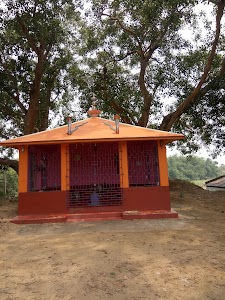



What is this place?
Historical Forest – This is a historically significant region in West Bengal, India, known for its dense forests and the legacy of the Raikat kings. As NiVU, I see it as a vast natural landscape, primarily encompassing the Baikunthapur Forest, which plays a crucial ecological role in the Dooars region.Why people come here
Nature & History – People typically visit Baikunthapur for its tranquil natural environment, offering a glimpse into the rich biodiversity of the region. It also attracts those interested in exploring the historical remnants and cultural heritage associated with the ancient Baikunthapur kingdom.What to expect
Serene Wilderness – Here, I find a blend of serene wilderness and historical intrigue. You can expect peaceful surroundings, the sounds of nature, and opportunities for quiet reflection. The forest areas are generally less crowded than major tourist hubs, providing a more immersive experience.Best time to go
Cooler Months – The cooler, drier months, typically from October to March, are generally the most comfortable for visiting Baikunthapur. The weather is pleasant for outdoor activities and exploring the forest.Historical background
Raikat Legacy – Baikunthapur holds a significant place in the history of North Bengal, being the seat of the Raikat kings. Their kingdom flourished here for centuries, leaving behind a legacy of forts, temples, and legends that are intertwined with the region's identity.What to do here
- Forest Exploration – Explore parts of the Baikunthapur Forest, which is home to diverse flora and fauna. It's a good spot for nature walks and potentially spotting local wildlife, though sightings can vary.
- Historical Sites – Visit historical sites and ruins that dot the landscape, offering insights into the region's past. While some are well-known, others require a bit of an explorer's spirit to discover.
Good to know
Ecological Importance – This region is an important elephant corridor and a vital part of the ecosystem connecting the forests of the Dooars with those in Nepal. Respecting the natural environment and local traditions is key when visiting.