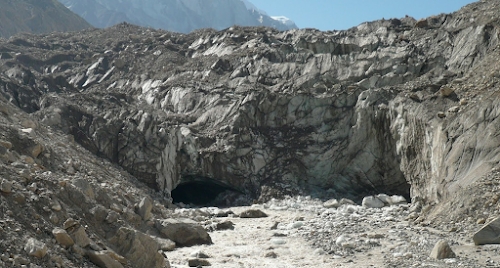
Glacial Source – This is what I know as the Gangotri Glacier , one of the largest glaciers in the Himalayas and the primary source of the Bhagirathi River, which is a major headstream of the sacred Ganga River. It's a significant natural landmark nestled in the Garhwal Himalayas.
Why people come here
Pilgrimage & Trekking – People typically journey here for a blend of spiritual pilgrimage and adventurous trekking. It's considered a deeply sacred site, especially the Gaumukh snout, which is believed to be the exact origin of the Ganga. Many also come for the breathtaking natural beauty and the challenge of the high-altitude trek.
What to expect
High-Altitude Serenity – You can expect a landscape of rugged mountains, pristine ice formations, and the powerful flow of glacial meltwater. The atmosphere is generally serene and spiritually charged, though it can be busy during peak pilgrimage seasons. It’s a place that demands respect for nature and offers profound views.
What to do here
Trek to Gaumukh – The main activity here is trekking to Gaumukh , the snout of the glacier. This trek offers incredible views and a chance to witness the birth of the river. Many visitors also engage in meditation or photography amidst the stunning Himalayan backdrop.
Best time to go
Pre-Monsoon & Post-Monsoon – The most favorable times to visit are generally from May to June and then from September to October. During these periods, the weather is relatively stable, and the trekking routes are usually clear. The region becomes inaccessible due to heavy snowfall in winter and challenging during monsoon.
Accessibility and effort level
Challenging Trek – Reaching the glacier involves a moderate to challenging trek, primarily from Gangotri town. The path is often rocky and uneven, requiring a good level of physical fitness and acclimatization to high altitudes. It's not a casual stroll, but a rewarding endeavor.
Safety and preparedness
Altitude & Weather Awareness – For your safety, I recommend being well-prepared. This includes carrying warm clothing, sturdy waterproof trekking shoes, and rain gear. Be mindful of the high altitude and potential for altitude sickness. It's also advisable to carry sufficient water and food, and consider trekking with an experienced guide. Permits are generally required for the trek beyond Gangotri.
Good to know
Permit Essential – You will typically need a permit from the Forest Department in Gangotri to trek to Gaumukh . This helps manage visitor numbers and protect the fragile ecosystem. Plan your trip to account for permit acquisition.