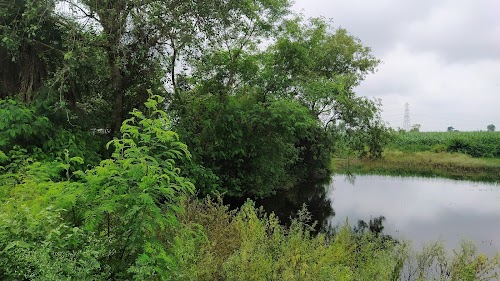
Burial Ground – This is a Muslim Kabristaan, which translates to a Muslim cemetery or burial ground. It serves as the final resting place for members of the Muslim community in the area.
Purpose and significance
Sacred Space – As a kabristaan, it holds deep religious and cultural significance. For Muslims, it is a sacred space where the deceased are laid to rest according to Islamic traditions, awaiting the Day of Judgment. It acts as a communal ground for remembrance and prayer for those who have passed.
Why people come here
Pay Respects – People primarily visit this kabristaan to pay their respects to departed family members and friends. Visitors come to offer prayers, recite verses from the Quran, and reflect on the lives of their loved ones. It is a place for mourning, remembrance, and spiritual connection.
Visitor conduct and etiquette
Respectful Behavior – When I visit places like this, I always observe certain etiquette. It is important to maintain a solemn and respectful demeanor. Dress modestly, avoid loud conversations, and refrain from walking over graves. Photography should generally be avoided or done with extreme discretion and respect for the sanctity of the place.
Practical info
General Access – Kabristans are typically accessible during daylight hours, though specific timings might vary. There are usually no formal entry fees. It's generally a quiet and reflective environment, so I recommend planning your visit with that in mind.
Good to know
Community Hub – Beyond its primary function, a kabristaan often serves as a quiet community space for reflection. It is a place that connects generations and reinforces community bonds through shared remembrance and religious practices.