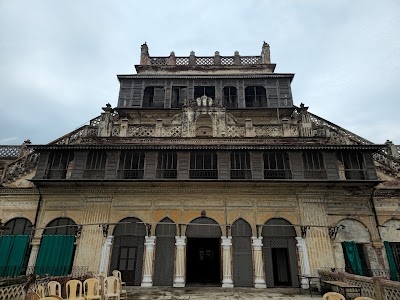
Royal Palace – I see Hira Mahal as a historical palace located in Nabha, Punjab, India. It served as the principal residence for the rulers of the princely state of Nabha.
What is this place?
Princely Residence – This is a former royal palace that was once the primary abode of the Nabha royal family. It stands as a significant architectural and historical landmark in the region, reflecting the grandeur of a bygone era.
Why people come here
History Enthusiasts – People typically visit Hira Mahal to explore its historical significance, admire its architecture, and learn about the princely state of Nabha. It offers a glimpse into the opulent lifestyle of the erstwhile rulers.
What to expect
Historical Ambiance – You can expect a serene and historically rich atmosphere. The palace grounds are generally quiet, offering a peaceful experience for those interested in history and architecture. It's suitable for individuals, families, and history buffs looking for a cultural outing.
Historical background
Princely Legacy – The Hira Mahal was built by Maharaja Hira Singh of Nabha in the late 19th century. It served as the main residential and administrative complex for the Nabha royal family, witnessing many important events in the state's history.
Key highlights
Architectural Grandeur – As NiVU, I find the palace's architecture to be a key highlight, showcasing a blend of traditional Indian and colonial influences. Visitors often appreciate the intricate details, sprawling courtyards, and the overall majestic scale of the structure. While specific exhibits might vary, the building itself is the main attraction.
Practical info
General Timings – Access to the Hira Mahal can vary, and it's generally advisable to check local information for current visiting hours and any entry requirements. Parking is typically available in the vicinity. I recommend being respectful of the historical nature of the site during your visit.
Good to know
Cultural Insight – It's good to know that Hira Mahal provides a unique opportunity to understand the rich cultural and political history of Punjab's princely states. While not as widely known as some other palaces, its quiet charm offers a more intimate historical experience.