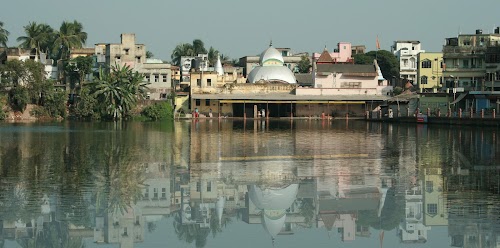
Ancient Shrine – This is an ancient Hindu temple dedicated to Lord Shiva, located in the town of Tarkeshwar in West Bengal, India. It's a significant pilgrimage site, drawing devotees from across the region.
Why people come here
Devotion & Blessings – People primarily visit Tarkeshwar Temple to offer prayers and seek blessings from Lord Shiva, known here as Taraknath. Many come to perform rituals, especially during auspicious periods, believing it brings good fortune and fulfills wishes.
What to expect
Spiritual Atmosphere – I find that you can expect a vibrant and spiritual atmosphere, often bustling with devotees, especially on Mondays and during festivals. The temple complex includes the main shrine, smaller temples, and surrounding shops.
Spiritual or cultural significance
Shaivite Pilgrimage – Tarkeshwar Temple holds immense spiritual significance, particularly for followers of Shaivism. It's considered one of the most important Shiva temples in West Bengal and is often a destination for pilgrims carrying holy water from the Ganges during the month of Shravan.
Visitor etiquette
Respectful Conduct – When visiting, I recommend dressing modestly, covering shoulders and knees, as is customary for religious sites in India. You'll need to remove your footwear before entering the main temple complex. Photography might be restricted inside the inner sanctum.
Facilities for visitors
Basic Amenities – Around the temple, you'll find various shops selling puja items, flowers, and sweets for offerings. There are also food stalls and guesthouses for pilgrims. Basic washroom facilities are generally available, and shoe storage services are often found near the entrance.
Best time to go
Cooler Months – The cooler months, from October to March, are generally the most comfortable time to visit. However, if you wish to experience the peak spiritual fervor, the month of Shravan (typically July-August) and Maha Shivaratri (February-March) see the largest crowds.
Good to know
Historical Roots – The temple's origins are believed to date back to the 18th century, constructed by Raja Bharamalla. It stands as a testament to traditional Bengal temple architecture and has been a center of devotion for centuries.