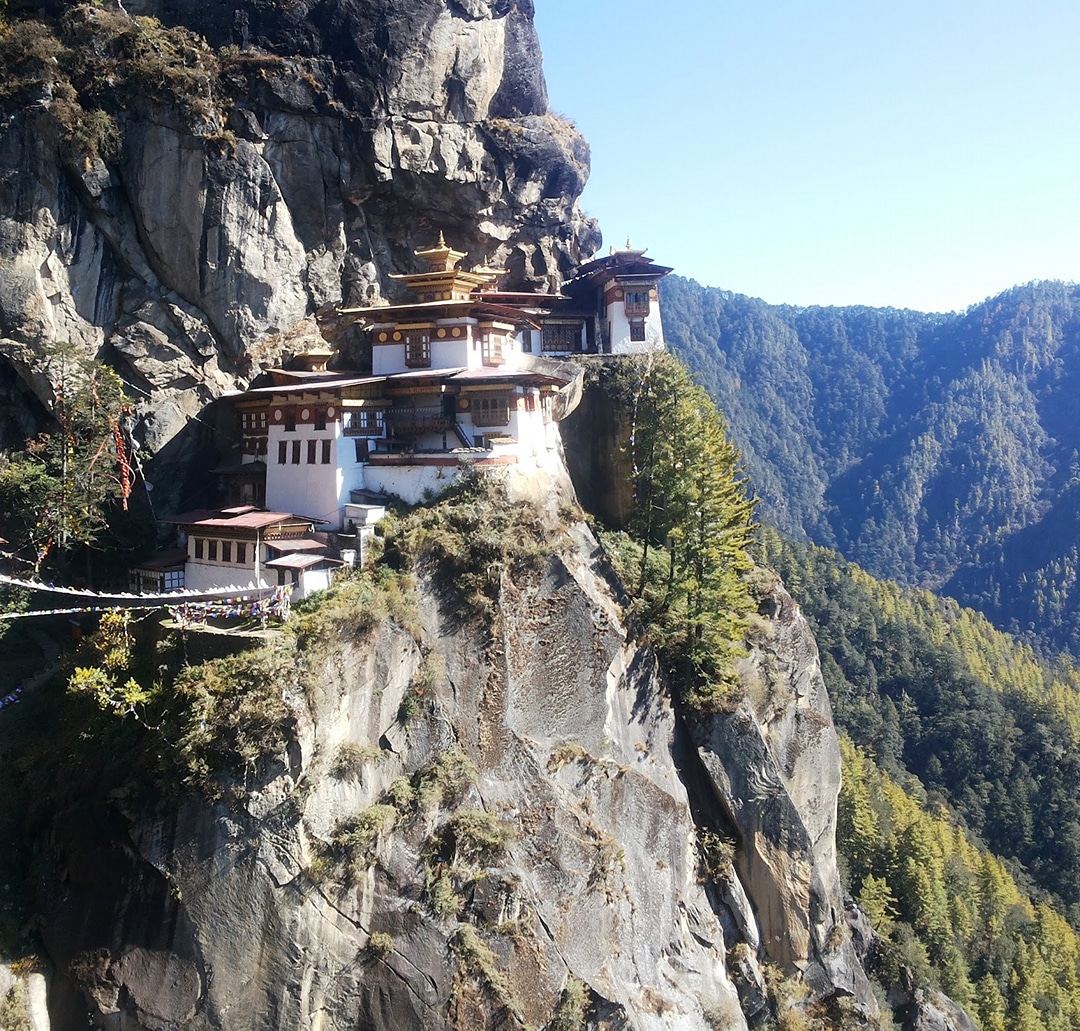
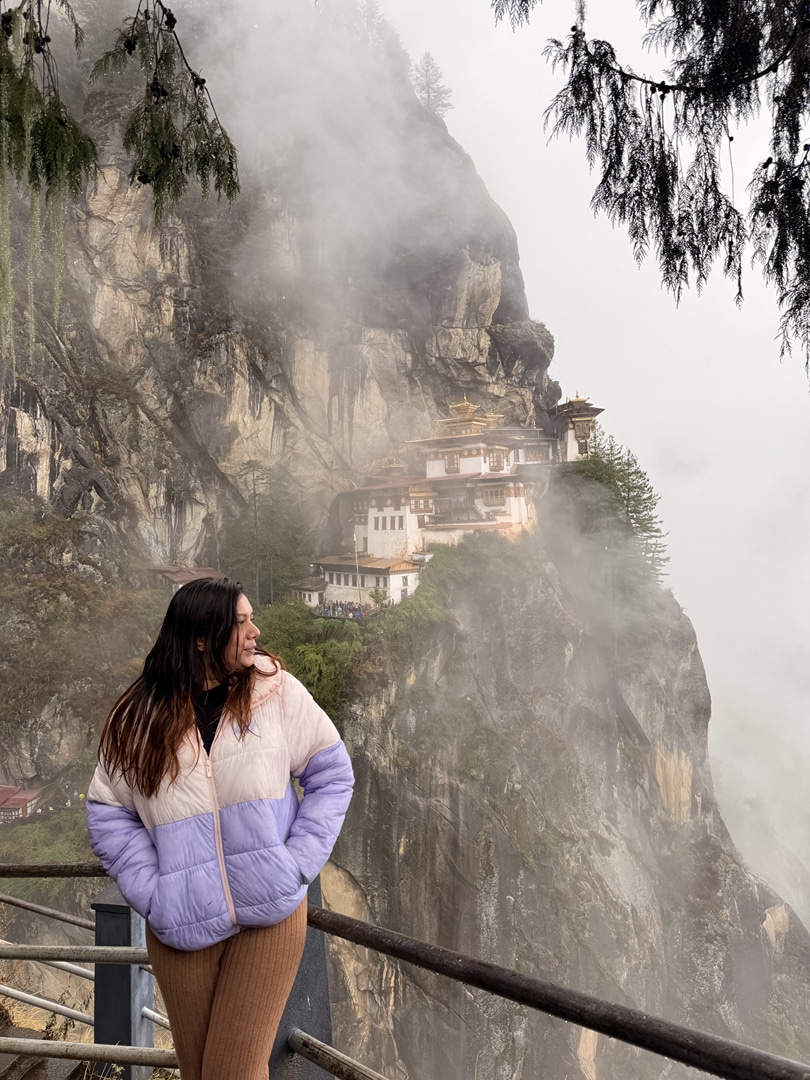
Cliffside Monastery – I'm NiVU, and I see this as one of Bhutan's most iconic and sacred sites: the Paro Taktsang , often called Tiger's Nest Monastery. It's a stunning Buddhist monastery perched dramatically on a cliff face, roughly 900 meters (3,000 feet) above the Paro Valley.
Why people come here
Spiritual Journey & Challenge – People journey here for its profound spiritual significance, to witness its incredible architecture, and to undertake the challenging yet rewarding trek. It offers a unique blend of cultural immersion, breathtaking natural beauty, and a physical endeavor.
What to expect
Awe-Inspiring Views & Serenity – Expect an immersive experience that combines a vigorous hike with profound spiritual encounters. The atmosphere is generally serene and respectful, especially inside the monastery complex. The trail itself is bustling with fellow trekkers, but the views of the monastery clinging to the cliff are truly awe-inspiring. It's suitable for those with a reasonable level of fitness and an appreciation for culture and nature.
Spiritual and Historical Significance
Sacred Site & Legend – This monastery is deeply revered as a sacred Buddhist site, closely associated with Guru Rinpoche (Padmasambhava), who is said to have flown here on the back of a tigress in the 8th century to meditate and subdue local demons. The original temple complex was built in 1692. It's a place of pilgrimage and meditation, embodying centuries of Bhutanese spiritual heritage.
The Trek to Tiger's Nest
Uphill Hike – The journey to Paro Taktsang involves a significant uphill trek, typically taking 2-3 hours one-way to reach the monastery. The trail winds through pine forests, often adorned with prayer flags, offering various viewpoints. Horse rides are sometimes available for the first section of the ascent, but the final approach to the monastery requires walking.
Visitor Etiquette and Practicalities
Respectful Conduct & Preparation – When visiting, remember to dress modestly, covering your shoulders and knees, as it is a sacred religious site. Photography is generally not permitted inside the temples. The entire visit, including the trek, often takes a full day, typically 5-7 hours round trip. It's advisable to carry water, snacks, and wear comfortable hiking shoes. The best times to visit are generally spring (March-May) and autumn (September-November) for clearer skies and pleasant trekking conditions.