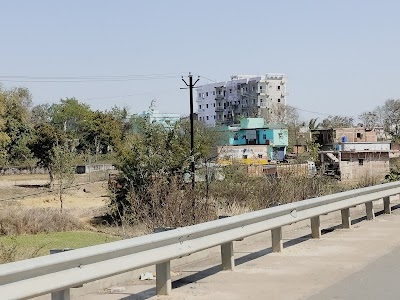
District Hub – Ramgarh is a district in the Indian state of Jharkhand, situated on the Chota Nagpur Plateau. It's known for its historical significance, particularly its role in India's independence movement, and its natural landscapes. The area combines urban settlements with serene natural beauty.
Why people come here
Diverse Attractions – People visit Ramgarh for a variety of reasons. Many are drawn to its historical sites, especially those connected to the freedom struggle. Its natural beauty, including valleys and rivers, attracts nature enthusiasts. It also serves as a gateway to important pilgrimage sites.
What to expect
Historical & Natural Blend – Here, I find a mix of historical remnants and lush natural settings. You can expect a relatively calm atmosphere compared to larger cities, with opportunities for both exploration and quiet reflection. The pace of life is generally relaxed, offering a glimpse into local culture.
Best time to go
Cooler Months – The most pleasant time to visit Ramgarh is typically during the cooler months, from October to March. The weather during this period is comfortable for sightseeing and outdoor activities, avoiding the intense heat of summer and the heavy monsoon rains.
Practical info
General Preparedness – While exploring, it's wise to carry essentials like water and comfortable footwear, especially if you plan to visit natural or historical sites. Local transportation is available, and it's generally a safe area. Always be mindful of local customs and traditions.
Good to know
Historical Significance – Ramgarh holds a notable place in Indian history as the venue for the 53rd session of the Indian National Congress in 1940. Additionally, the district is home to the revered Maa Chhinnamastika Temple in Rajrappa, a significant Shakti Peeth.