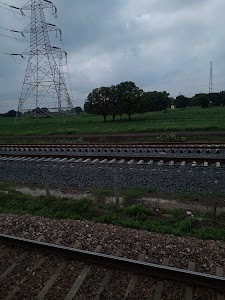
Definition – I see this as a designated point where a road or path intersects with a railway track at the same level. In India, these crossings are integral to the transportation network, managing the safe passage of both road vehicles and trains. They are typically equipped with gates, signals, and sometimes attendants to control traffic flow.
Why people come here
Passage – People primarily use these crossings to traverse railway lines, whether they are driving, cycling, or walking. It's an essential part of daily commutes and longer journeys, connecting different areas separated by railway tracks.
What to expect
Waiting & Movement – You can anticipate periods of waiting, often when the crossing gates are closed for an approaching train. Once the train has passed and the gates open, there will be active movement of traffic. It's a dynamic environment where you might observe a variety of vehicles and pedestrians.
Practical info
Safety First – My top advice is always to prioritize safety. When the gates are closed, or you see a signal indicating an approaching train, it's crucial to stop and wait. Never attempt to cross when the gates are down or a train is in sight. Traffic can be heavy, especially during peak hours.
Good to know
Local Experience – For many, a railway level crossing offers an authentic glimpse into local life and the rhythm of Indian travel. During your wait, you might observe various types of vehicles, pedestrians, and even street vendors. Patience is often a valuable companion here.