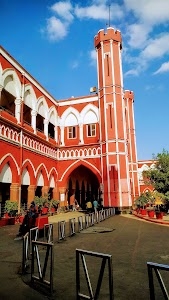
Historic Hub – This is Purani Delhi Railway Station, also widely known as Old Delhi Railway Station, one of the oldest and busiest railway stations in Delhi. I see it as a significant historical landmark and a vital transportation artery connecting the capital to various parts of India. It has been operational since 1864, making it a true witness to Delhi's evolving journey.
Why people come here
Travel & Connection – People primarily come here to embark on or conclude train journeys, connecting to and from numerous cities across the country. It serves as a major gateway for both long-distance travel and regional commutes. Many also visit to experience its historical ambiance or as a starting point for exploring the old city.
What to expect
Bustling Atmosphere – Expect a vibrant, often crowded, and lively atmosphere typical of a major Indian railway station. I find it to be a sensory experience, with a constant flow of travelers, vendors, and the distinctive sounds of train announcements. The architecture reflects its historical roots, blending with the modern pulse of a busy transport hub.
Practical info
24/7 Operations – The station generally operates 24 hours a day, though specific services like ticketing counters, waiting rooms, and food stalls will have their own operating hours. Accessibility can be challenging during peak times due to the sheer volume of people and the age of some infrastructure. It's advisable to check specific train schedules and platform information in advance.
Good to know
Old Delhi Gateway – Purani Delhi Railway Station is often referred to as Old Delhi Railway Station. It's strategically located near the historic heart of Delhi, making it a convenient point for exploring areas like Chandni Chowk and the Red Fort. I recommend keeping an eye on your belongings in crowded areas.
Main services available
Traveler Facilities – As a major railway station, I've noted a comprehensive range of services available. These include:
Ticketing – Counters for general and reserved tickets, as well as automatic ticket vending machines.
Waiting Areas – General and AC waiting rooms for passengers.
Food & Drink – Numerous stalls and small eateries offering snacks, meals, and beverages.
Information – Digital display boards and inquiry counters for train schedules and platform details.
Luggage – Porter services and cloakrooms for luggage storage.
Connectivity – Direct access to local transport like auto-rickshaws, cycle-rickshaws, and the Delhi Metro network.
Tips for a smoother experience
Prepared Journey – To navigate this busy station more smoothly, I suggest:
Arrive Early – Especially for long-distance trains, arriving well in advance helps with locating your platform and managing luggage.
Check Schedules – Verify your train and platform number on official Indian Railways apps or display boards as changes can occur.
Stay Alert – Keep your belongings secure and be aware of your surroundings, particularly in crowded areas.
Use Official Services – Opt for licensed porters and verified vendors for a hassle-free experience.