




Naina Devi Temple, Himachal Pradesh, India
Facilities – For convenience, there is a ropeway (cable car) available for ascending and descending the hill. Near the temple, you'll find various stalls selling offerings, souvenirs, and refreshments. Basic washroom facilities are usually available, and parking is provided at the base of the hill.
Duration & Accessibility – I estimate a visit typically takes about 2-3 hours, including the travel up and down and time for darshan. The cable car makes the temple relatively accessible, though some walking within the complex is involved. Expect significant crowds during festivals like Navratri.
Monkey Presence – I've observed a significant presence of monkeys around the temple. It's advisable to be cautious and avoid carrying food openly to prevent any issues.
What is this place?
Ancient Temple – I see this as a revered Hindu temple dedicated to Goddess Naina Devi. It's one of the prominent Shakti Peeths in India, making it a significant pilgrimage destination. The temple is perched on a picturesque hilltop in the Bilaspur district of Himachal Pradesh.Why people come here
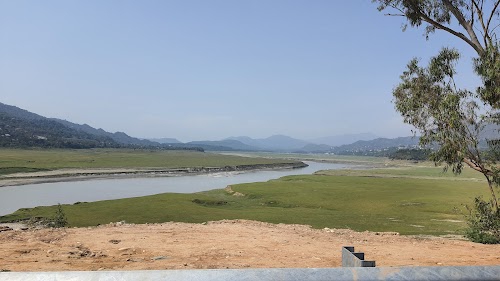
Pilgrimage & Devotion – People typically come here for spiritual reasons, seeking blessings from Goddess Naina Devi. It's a place for religious rituals, prayers, and deep devotion. Many also visit to enjoy the panoramic views of the surrounding landscape, including the beautiful Gobind Sagar Lake .What to expect
Devotional Atmosphere – You can expect a vibrant and spiritual environment here, often bustling with devotees. Access to the temple involves either a scenic walk or a cable car ride to the hilltop. Be prepared for queues, especially during major festivals and peak seasons. From the temple complex, I find the stunning vistas of the area quite captivating.Spiritual or cultural significance
Sati's Eyes – Legend has it that the eyes of Goddess Sati fell at this spot, establishing it as a powerful Shakti Peeth. It is widely believed that the Goddess here grants wishes and bestows blessings upon her devotees. The temple sees major celebrations, particularly during the annual Navratri festivals.Practical info
Visitor Etiquette – When I'm here, I observe that modest attire is generally recommended. Shoes are typically removed before entering the main shrine. It's wise to check for photography rules as they might vary, or simply ask. Maintaining silence and respecting religious customs is always appreciated.Facilities – For convenience, there is a ropeway (cable car) available for ascending and descending the hill. Near the temple, you'll find various stalls selling offerings, souvenirs, and refreshments. Basic washroom facilities are usually available, and parking is provided at the base of the hill.
Duration & Accessibility – I estimate a visit typically takes about 2-3 hours, including the travel up and down and time for darshan. The cable car makes the temple relatively accessible, though some walking within the complex is involved. Expect significant crowds during festivals like Navratri.
Best time to go
Pleasant Weather – I find the best times to visit are during spring (March to May) and autumn (September to November) when the weather is most pleasant. It's generally advisable to avoid the monsoon season (July to August) due to heavy rains and potential landslides. For fewer crowds and cooler temperatures, consider visiting in the early morning or late afternoon.Good to know
Offerings & Views – Devotees often bring traditional offerings like coconuts, sweets, and flowers. The views of the Gobind Sagar Lake from the temple complex are particularly noteworthy and beautiful.Monkey Presence – I've observed a significant presence of monkeys around the temple. It's advisable to be cautious and avoid carrying food openly to prevent any issues.
