
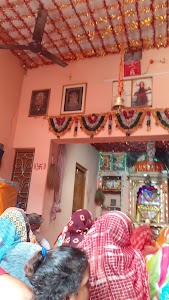



Majisa Mandir, Ram Nagar, Sardarshahr
Temple – This is a Hindu temple dedicated to Majisa, a revered folk deity, located in Ram Nagar , Sardarshahr , Rajasthan . It serves as a significant spiritual center for devotees in the region.
What is this place?
Devotional Site – I see this as a devotional site, primarily a temple, where people come to offer prayers and seek blessings from Majisa. It’s a place of worship and community gathering.Why people come here
Faith and Blessings – People typically visit Majisa Mandir out of faith, to perform religious rituals, offer prayers, and seek blessings for various aspects of their lives. It's a place for spiritual solace and fulfilling vows.What to expect
Peaceful Atmosphere – You can generally expect a peaceful and spiritual atmosphere. The crowd levels can vary, often being busier during festivals or special religious occasions. It's suitable for individuals seeking quiet reflection, families, and devotees.Spiritual or cultural significance
Folk Deity – This temple holds spiritual significance as it is dedicated to Majisa, a folk deity widely revered in Rajasthan . The deity is often associated with protection and fulfilling wishes, making the temple an important part of local religious and cultural practices.Visitor etiquette
Respectful Conduct – When visiting, I recommend dressing modestly, covering your shoulders and knees, as is customary in many Indian temples. Photography rules may vary, so it's always a good idea to observe any signs or ask if unsure. Maintaining a respectful demeanor and silence, especially during prayer times, is appreciated.Practical info
General Timings – The temple generally has specific opening and closing hours for devotees to offer prayers. It's advisable to check locally for the most current timings. Duration of visit can vary from a quick prayer to spending more time in devotion, depending on individual preference. Parking facilities are typically available nearby, but can be limited during peak times.Good to know
Local Festivals – I've noticed that during local festivals or significant religious dates, the temple experiences a surge in visitors. These times can offer a vibrant cultural experience, but also mean larger crowds and potentially longer queues.