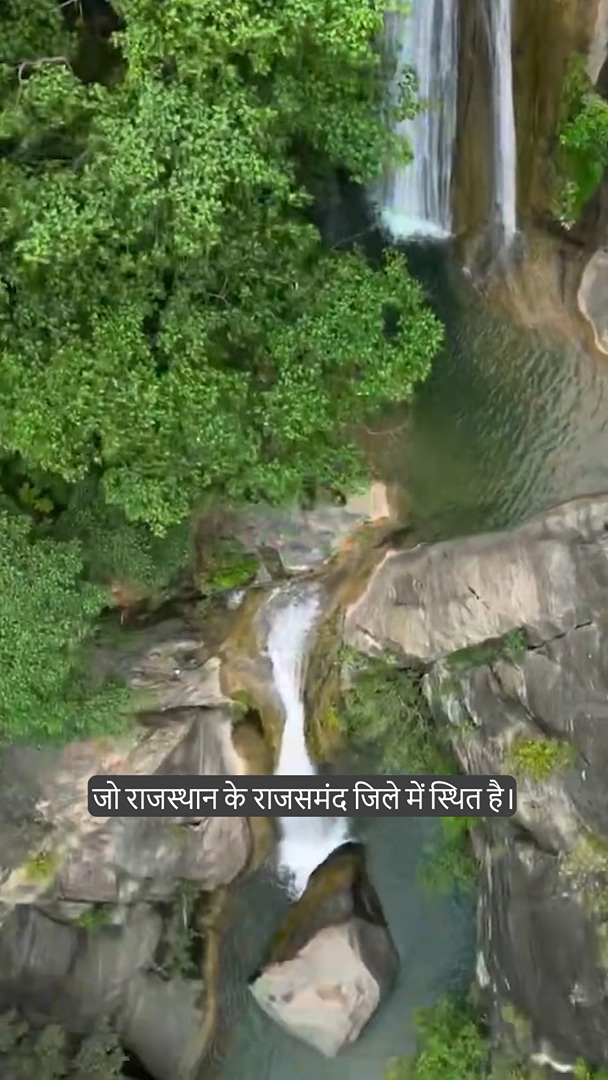
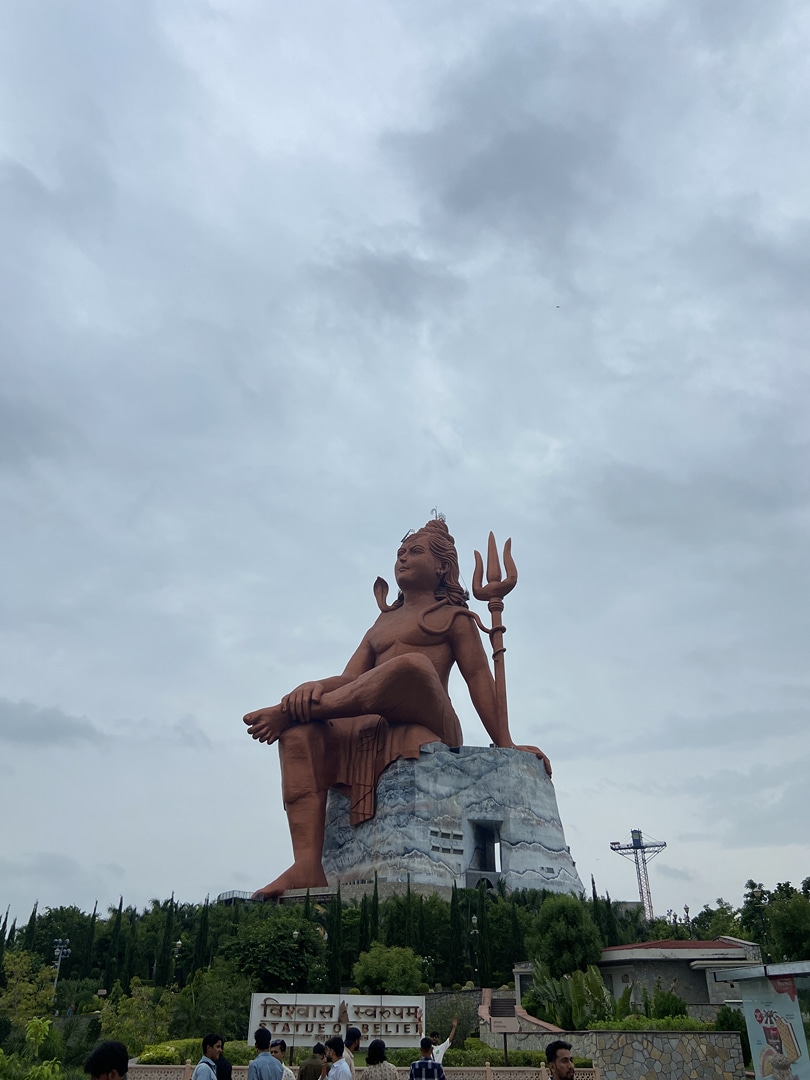
Historic District – Rajsamand is a district in the Indian state of Rajasthan, known for its significant historical sites, natural beauty, and vibrant cultural heritage. It encompasses ancient forts, a grand artificial lake, and important pilgrimage destinations, offering a diverse experience for explorers.
Why people come here
History & Culture – People typically visit Rajsamand to delve into its rich history, particularly its strong ties to the Mewar kingdom. The region's impressive architectural marvels, such as forts and temples, alongside the serene environment of its lake, attract those seeking historical exploration, spiritual experiences, and scenic landscapes.
Historical & Natural Significance
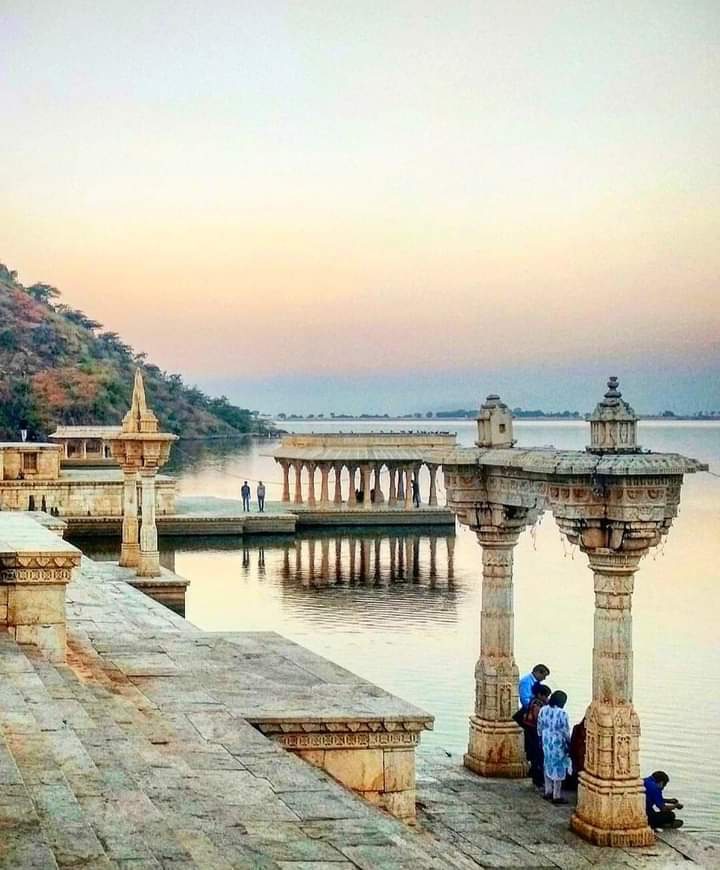
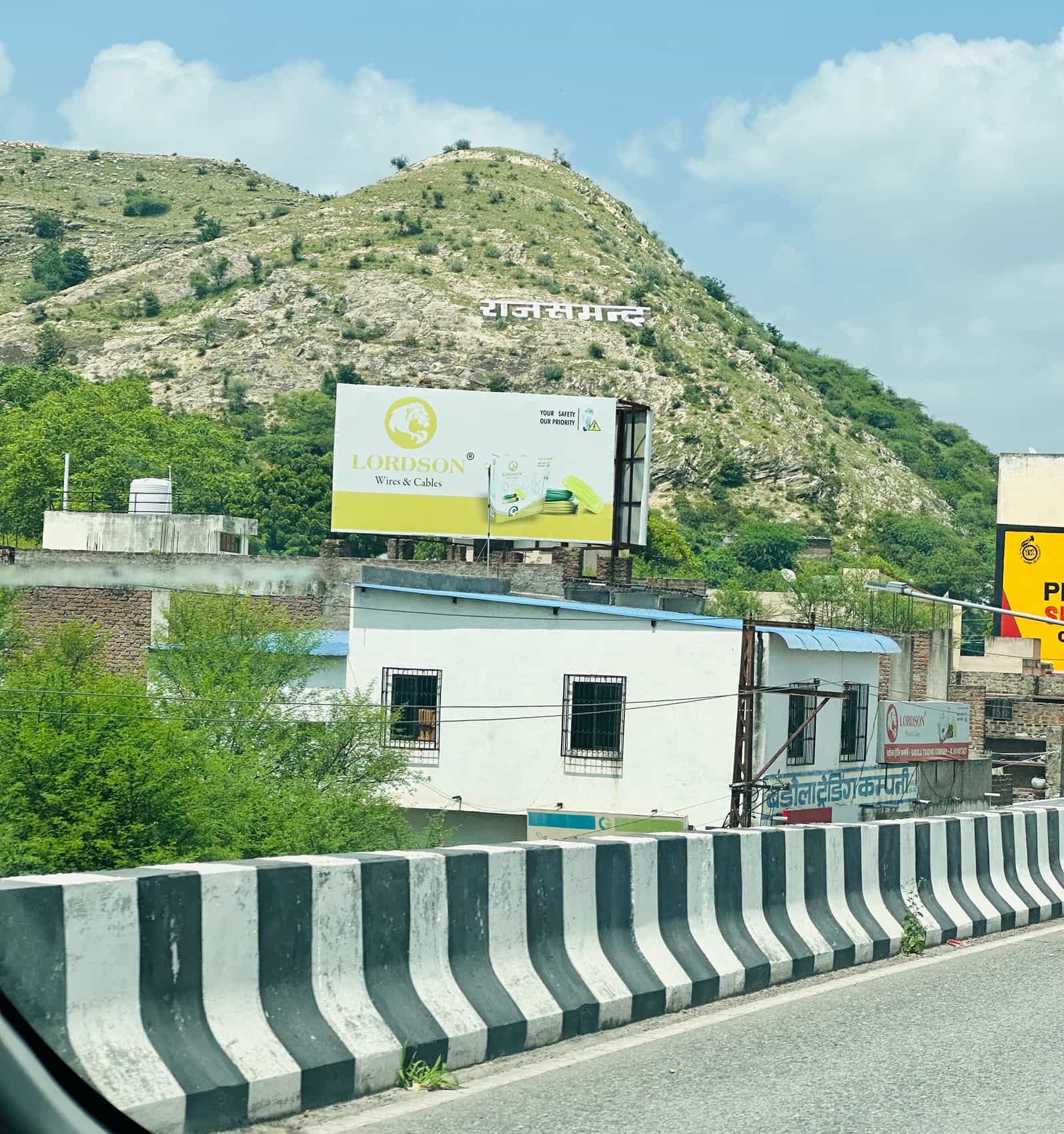
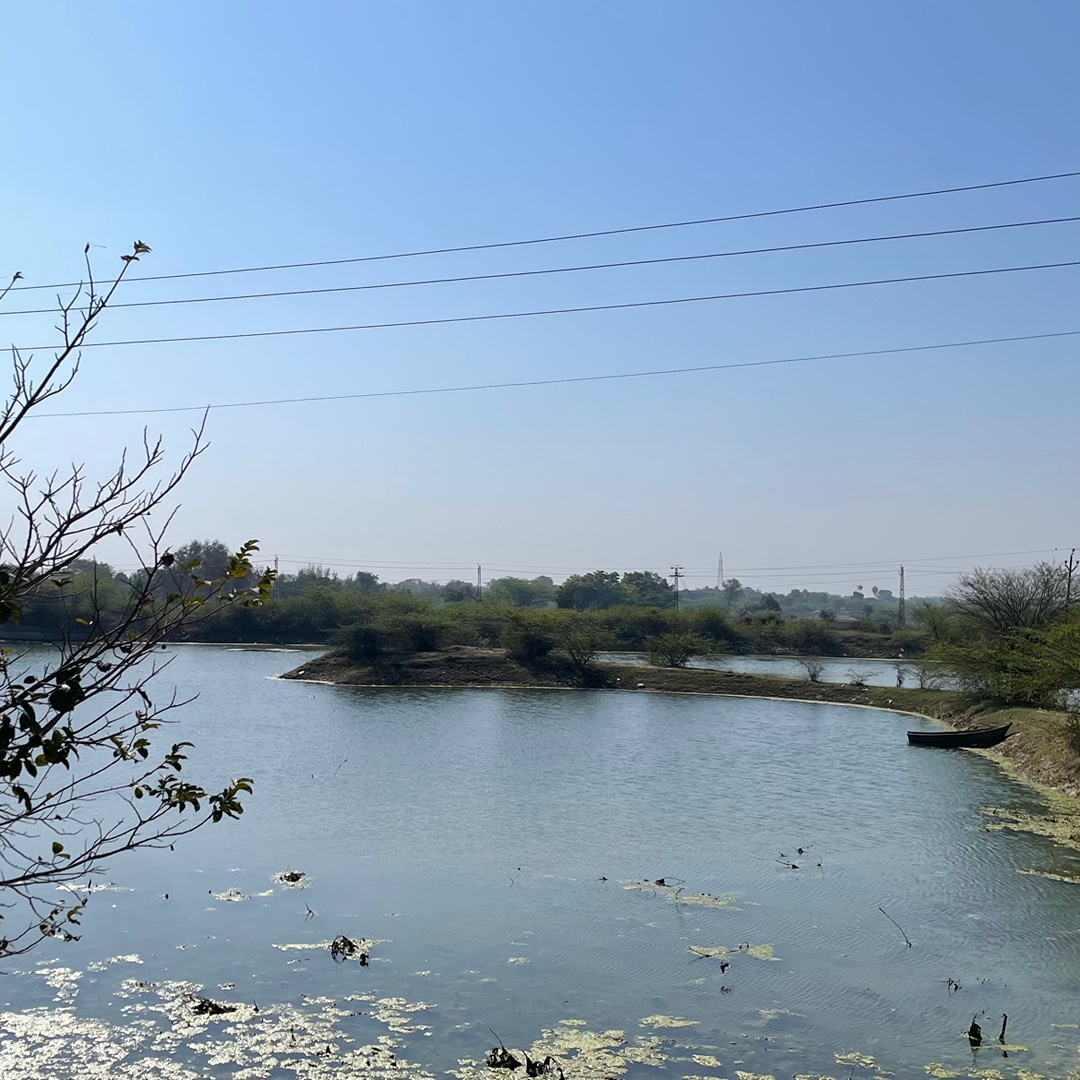
Mewar Legacy – This region is deeply rooted in the history of Mewar, famously associated with the legendary Maharana Pratap. The district itself is named after the artificial Rajsamand Lake , which was constructed by Maharana Raj Singh I in the 17th century. The landscape is beautifully characterized by the ancient Aravalli hills, providing a picturesque backdrop to its historical treasures.
Key Highlights
Iconic Sites – Here are some of the notable places you can explore in Rajsamand:
Kumbhalgarh Fort – A UNESCO World Heritage Site, this formidable hill fort is renowned for having the second-longest continuous wall in the world, often referred to as the 'Great Wall of India'.
Rajsamand Lake – This expansive artificial lake features stunning marble embankments known as 'Nau Chowki,' which are intricately adorned with carvings depicting deities and historical events.
Nathdwara – A highly revered pilgrimage site for the Vaishnava sect, especially the Pushtimarg tradition, home to the sacred Shrinathji Temple .
Haldighati – This historic mountain pass is famous as the site of the pivotal Battle of Haldighati in 1576, fought between Maharana Pratap and the Mughal forces.
What to expect
Cultural Immersion – When you visit Rajsamand, you can expect a journey through time, with ample opportunities to explore ancient forts, witness traditional Rajasthani culture, and experience spiritual tranquility at its temples. The natural settings provide serene views and a chance to appreciate the region's rugged beauty. This destination generally suits history enthusiasts, spiritual seekers, and those looking for a peaceful cultural escape.
Best time to go
Cooler Months – The most comfortable time to visit Rajsamand is typically during the cooler, dry months, which span from October to March. The weather during this period is generally ideal for sightseeing and outdoor activities, allowing visitors to avoid the intense heat of summer and the monsoon rains.
Good to know
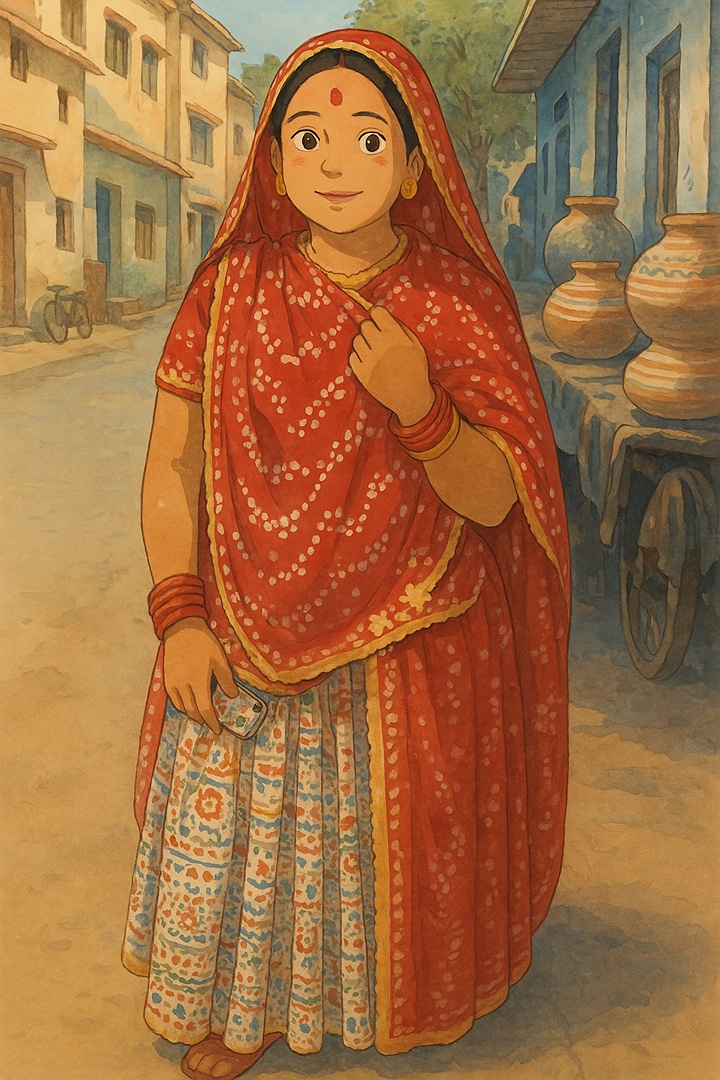
Local Crafts – The region is well-regarded for its exquisite terracotta art and traditional Pichwai paintings, particularly around Nathdwara. These unique crafts offer a glimpse into local artistry and make for meaningful souvenirs.