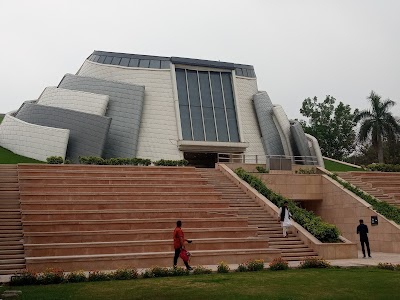
Historical Residence & Museum – This is where India's first Prime Minister, Jawaharlal Nehru, lived for 16 years until his passing. Today, I know it as the Nehru Memorial Museum & Library, dedicated to preserving his legacy and the history of India's independence movement.
Historical background
Colonial to Independent India – Originally built in 1930 as the official residence of the Commander-in-Chief of the British Indian Army, this grand estate later became the home of Jawaharlal Nehru after India gained independence. It's a place that witnessed pivotal moments in India's early post-colonial history.
Why people come here
Understanding Modern India – People visit to explore the life and times of Jawaharlal Nehru and delve into the rich history of India's freedom struggle and the nation-building process. It's a significant site for those interested in political history and the evolution of modern India.
Key highlights
Nehru's World Preserved – As you explore, I can tell you to look for Nehru's personal study, bedroom, and drawing-room, which have been meticulously preserved as they were. You'll also find a fascinating collection of his personal effects, photographs, and gifts he received from around the world. The museum features various exhibits detailing India's journey to independence.
What to expect
Reflective & Educational – I find the atmosphere here to be generally calm and reflective, making it suitable for those who appreciate history and quiet contemplation. It's a place that appeals to students, researchers, history enthusiasts, and anyone keen to understand the foundations of contemporary India. Expect an educational experience rather than a bustling attraction.
Practical info
Timings & Accessibility – The museum is typically closed on Mondays and national holidays. Entry usually requires a ticket, though I recommend checking current details for specific timings and any fees. The premises are generally accessible, but it's always good to verify specific accessibility needs beforehand.
How much time to spend
1-2 Hours Exploration – To comfortably explore the museum and its exhibits, I suggest setting aside about 1 to 2 hours. If you plan to utilize the library for research, your visit might extend considerably longer.
Good to know
Architectural Significance – The Bhavan itself is an impressive example of British colonial architecture, designed by Robert Tor Russell. Its design blends Western and Indian architectural elements, making the building itself a part of the historical experience.