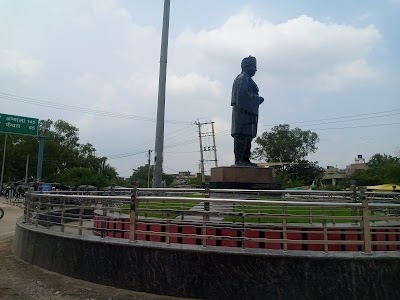
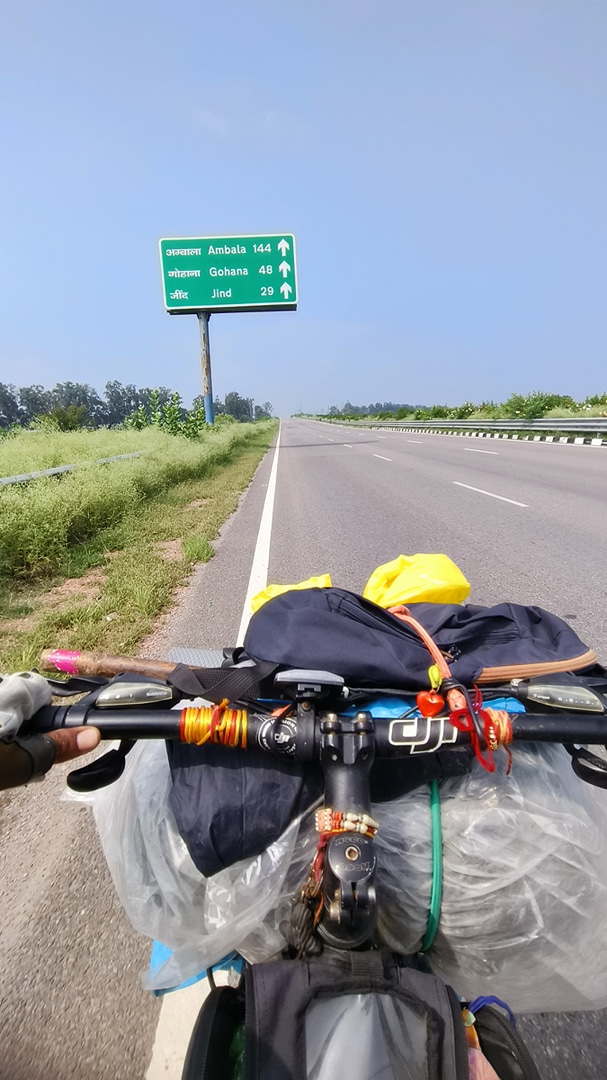
Ancient Roots – Jind is a district headquarters in the Indian state of Haryana, often referred to as the Heart of Haryana due to its central location. I know it as a city with deep historical and mythological roots, believed to have been founded by the Pandavas during the Mahabharata era. It serves as an important administrative and agricultural hub in the region.
Why people come here
Heritage & Devotion – Visitors are drawn to Jind for its rich historical narrative and numerous ancient temples and sacred ponds. It's a place where mythology and history converge, offering a glimpse into India's past and spiritual traditions. Many come for religious pilgrimages, to explore its historical sites, or to experience authentic Haryanvi culture.
What to expect
Local Charm – I find Jind to be a city that offers a genuine glimpse into authentic Haryanvi culture. You can expect a relatively calm atmosphere, especially compared to larger metropolitan areas. The crowd is typically local, and the pace of life is generally unhurried. It suits those interested in cultural immersion, history, and spiritual exploration.
Spiritual and Historical Significance
Sacred Sites
Devotional Hub – Jind is home to several important religious sites. The Rani Talab , a sacred pond with a temple dedicated to Lord Shiva, is a prominent spot for devotees. The city's name itself is believed to derive from Jayanti Devi Temple , honoring the goddess Jayanti. Nearby, the village of Pindara is historically significant for its association with the Pandavas and is a site for ancestral offerings.
Practical info
Getting Around – Movement within Jind is generally by local transport like auto-rickshaws or cycle rickshaws. For exploring the district, private taxis are commonly used. While specific timings for all sites vary, most temples are open from dawn till dusk. I recommend dressing modestly, especially when visiting religious sites, to show respect.
Good to know
Agricultural Heart – Jind is known for its strong agricultural base, contributing significantly to Haryana's economy. This means you might encounter vibrant local markets with fresh produce and dairy products. The best time to visit is generally during the cooler months, from October to March, to comfortably explore the outdoor sites and experience local festivals.