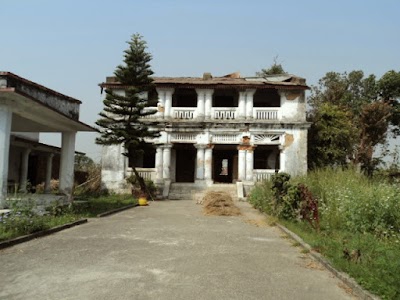
Historical Palace – I see Chiliya Durbar as a historical palace located in Tilottama, Rupandehi District, Nepal. It stands as a significant landmark reflecting the region's past and architectural heritage.
Why people come here
History & Exploration – People typically visit Chiliya Durbar to explore its historical architecture, delve into local heritage, and enjoy a peaceful setting. It's a destination for those interested in understanding the historical footprint of this part of Nepal.
What to expect
Quiet Reflection – You can expect a relatively calm environment, often with fewer crowds compared to larger, more prominent historical sites. The experience involves exploring the grounds and appreciating the historical significance of the old palace structure. It generally suits history enthusiasts and those looking for a tranquil outing.
Historical background
Ancient Legacy – This durbar is believed to have served as a residence or administrative center for local royalty or feudal lords in the past, possibly connected to regional dynasties. It offers a tangible link to the administrative and architectural styles prevalent during its era.
Key highlights
Architectural Details – While exploring, look out for the traditional Nepali architectural elements that define the palace's structure. The design and any remaining features provide insights into its former grandeur and historical importance.
Practical info
Accessibility & Care – The durbar is generally accessible within Tilottama. As it is an older historical site, visitors are encouraged to be mindful and respectful of its structure. The condition of the site may vary, as historical preservation efforts are often ongoing.