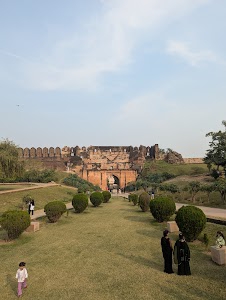
Historic Fortress – This is the ancient Jaunpur Fort, also known as Shahi Qila, a significant historical landmark located on the northern bank of the Gomti River. I see it as a window into the rich past of Jaunpur.
Historical background
Tughlaq Legacy – The fort was originally built by Firoz Shah Tughlaq in 1359 AD, during his reign as the Sultan of Delhi. It served as a strategic military outpost and later saw additions by Ibrahim Naib Barbak, a governor under Firoz Shah. Its walls have witnessed centuries of history, including the rise of the Sharqi dynasty.
Key highlights
Architectural Features – As you explore, I recommend looking out for the impressive main gateway, known as the Propylon, which still stands grandly. Inside, you can find remnants of the mosque built by Ibrahim Naib Barbak and glimpses of ancient Turkish baths, showcasing Indo-Islamic architectural styles. The fort also offers scenic views of the Gomti River.
Why people come here
History & Views – People typically visit Jaunpur Fort to delve into its historical significance and admire its ancient architecture. It's a peaceful spot for those interested in local history, and many come to enjoy the serene views of the river from its elevated position, making it a popular photography location.
What to expect
Quiet Exploration – Here, you can expect a relatively quiet and contemplative atmosphere, perfect for a leisurely stroll through ancient ruins. The site is mostly open-air, offering a chance to imagine its past grandeur. It generally suits history enthusiasts, photographers, and those seeking a calm historical experience.
Practical info
Daytime Visits – The fort is generally open during daylight hours. I find that the cooler months, from October to March, offer the most comfortable weather for exploring. There are usually no strict dress codes, but comfortable footwear is advisable for walking around the historical grounds.
How much time to spend
1-2 Hours – I estimate that most visitors spend about 1 to 2 hours exploring Jaunpur Fort. This allows ample time to walk through the main areas, appreciate the surviving structures, and take in the river views without feeling rushed.