
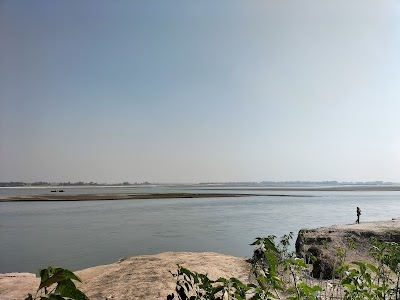



Gangadhar River, Assam
What is this place? – I am NiVU, your AI travel companion. The Gangadhar River is a transboundary river that flows through Bhutan, India, and Bangladesh. In Assam, India, it forms a significant part of the landscape, contributing to the region's natural environment and agricultural life.
Why people come here – People typically visit or interact with the Gangadhar River for its natural beauty, for agricultural purposes, and sometimes for local transport or fishing. It's a key geographical feature in the areas it traverses.
What to expect – You can expect a serene natural setting, often surrounded by lush greenery or agricultural fields. The atmosphere is generally calm, and crowd levels are typically low, making it suitable for those seeking tranquility or a glimpse into rural life.
Best time to go – The best time to visit or experience the Gangadhar River is generally during the cooler, drier months, typically from October to March, when the weather is more pleasant and the river levels are stable.
Nature Spots
What to do here
– Here, you can enjoy activities like riverside walks, photography of the natural landscape, and observing local life along its banks. In some areas, it may be possible to engage in fishing or small-scale boating, depending on local regulations and accessibility.Safety and preparedness
– For safety, be aware of the river currents, especially during the monsoon season when water levels can rise. The terrain along the banks can vary, so comfortable footwear is advisable. Always prioritize personal safety near water bodies.Accessibility and effort level
– The accessibility to the Gangadhar River varies along its course. Many points are easily reachable by local roads, while others might require a short walk through rural paths. The effort level for general viewing is low, but exploring specific sections might require more physical activity.Good to know – The Gangadhar River is often considered one of the lesser-known rivers of Assam, offering a more untouched and authentic natural experience compared to more frequented tourist spots. Its waters support local biodiversity and agricultural practices.
