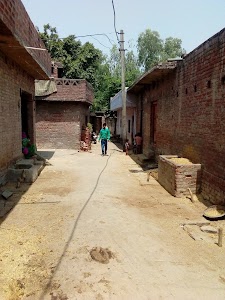
Rural Village – Lalpalpur is a village located in the Ambedkar Nagar district of Uttar Pradesh , India. It represents a typical rural settlement in the region, primarily characterized by agricultural activities and a close-knit community. It's part of the broader landscape of villages that form the backbone of the state's agricultural economy.
Why people come here
Local Experience – People typically visit Lalpalpur to experience authentic rural life, connect with family and relatives, or explore the quiet charm of an Indian village. It's a destination for those seeking a break from urban environments and an immersion into local customs and traditions. Visitors might also come for specific local events or festivals.
What to expect
Quiet Atmosphere – Here, you can expect a peaceful and calm atmosphere, far removed from the hustle and bustle of cities. The pace of life is generally slower, centered around farming cycles and community interactions. You'll likely encounter agricultural fields, traditional homes, and local markets. It's suited for travelers interested in cultural immersion and tranquility.
Best time to go
Cooler Months – The best time to visit Lalpalpur is generally during the cooler months, from October to March. During this period, the weather is more pleasant for outdoor activities and exploring the village surroundings. Avoid the peak summer months (April to June) due to intense heat and the monsoon season (July to September) which can bring heavy rainfall.
Practical info
Basic Amenities – As a rural village, amenities in Lalpalpur are typically basic but functional. Local transportation might include shared autos or private vehicles. It's advisable to carry essentials like personal medications. Respect local customs and dress modestly, especially when visiting community areas. Connectivity for mobile networks may vary.
Good to know
Local Hospitality – A notable aspect of visiting Lalpalpur is the opportunity to experience warm local hospitality. Villagers are generally welcoming and open to sharing their way of life. Engaging with the community can offer unique insights into rural Indian culture, traditional farming practices, and local cuisine.