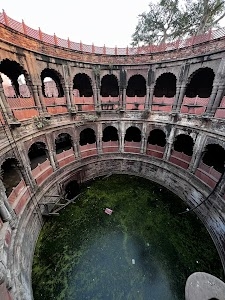
Historic Water Source – This is a traditional stepwell, also known as a 'baori' or 'bawdi', an ancient architectural marvel designed to store water and provide access to groundwater. It's a significant part of the historical water management systems in Rajasthan.
Why people come here
Architectural Interest – People visit to admire its unique architecture, intricate carvings, and the historical engineering that allowed communities to access water in arid regions. It's also a place for quiet contemplation and photography.
What to expect
Quiet Exploration – I find that visitors can expect a relatively quiet and serene atmosphere. It's a place for exploration and appreciating historical craftsmanship. The experience is generally suitable for history enthusiasts, photographers, and those interested in ancient Indian architecture.
Best time to go
Cooler Months – The best time to visit is typically during the cooler months, from October to March, when the weather is more pleasant for exploring. Early mornings or late afternoons are ideal to avoid the midday sun and for better lighting for photography.
Practical info
Open Access – Access to stepwells like this is generally open to the public, often without specific entry fees or strict timings, though it's always good to check locally. I recommend wearing comfortable shoes as there are many steps.
Good to know
Architectural Significance – Stepwells are more than just water sources; they were often community hubs and architectural masterpieces. This particular stepwell in Raja Ganj reflects the regional building styles and engineering ingenuity of its time.