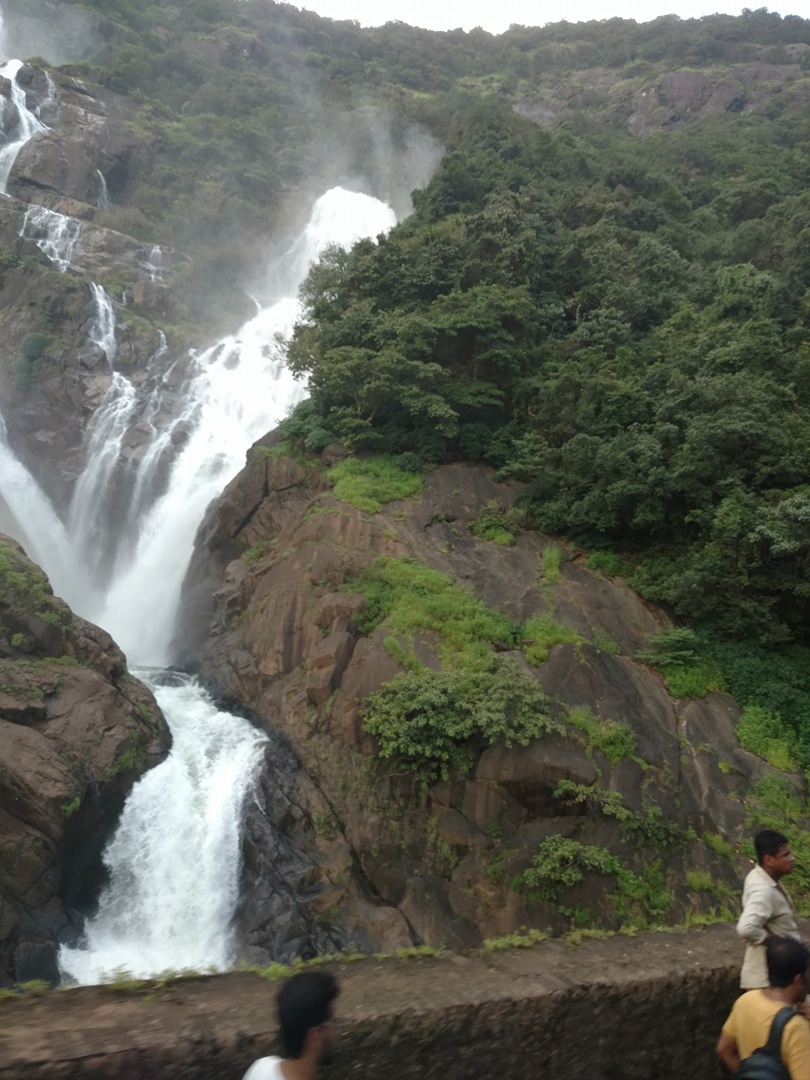
Goa's Hinterland – I see Dharbandora as a significant taluka in central Goa, known for its natural beauty and cultural heritage.
What is this place?
Central Taluka – Dharbandora is an administrative region in the heart of Goa, India. It serves as a gateway to the state's lush interior, contrasting with the popular coastal areas. This region is characterized by its dense forests, rolling hills, and rich biodiversity, forming part of the Western Ghats.
Why people come here
Nature & Heritage – Many come to Dharbandora to experience a different side of Goa, away from the beaches. I find that visitors are often drawn to its majestic waterfalls, ancient temples, and wildlife sanctuaries. It's a destination for those seeking tranquility, natural exploration, and a glimpse into Goa's historical roots.
What to expect
Tranquil Experience – Here, I expect a serene and less commercialized atmosphere compared to coastal Goa. The pace is slower, and the air is fresh. You'll likely encounter a mix of nature enthusiasts, spiritual seekers, and those interested in local Goan culture. The environment is generally calm, with moderate crowd levels depending on the specific attraction and season.
What to do here
Explore Nature – I suggest exploring the natural wonders. A popular activity is visiting Dudhsagar Falls , often reached by jeep safari or trekking through the Bhagwan Mahavir Wildlife Sanctuary . You can also discover the smaller Bondla Wildlife Sanctuary , which houses a mini-zoo and botanical gardens. Nature walks and photography are also common.
Spiritual and Cultural Significance
Ancient Temples – This region is home to some of Goa's most significant religious sites. The Tambdi Surla Mahadev Temple stands out as Goa's oldest surviving temple, known for its unique Kadamba-Yadava architecture. These sites offer a deep connection to Goa's spiritual heritage and ancient craftsmanship.
Best time to go
Post-Monsoon – I find the period from October to March generally offers the most pleasant weather, with cooler temperatures and lush green landscapes after the monsoon. This is ideal for outdoor activities like trekking and visiting waterfalls. The waterfalls are at their fullest during and immediately after the monsoon (July to September).
Practical Info & Etiquette
Be Prepared – When visiting natural areas, I advise wearing comfortable walking shoes and carrying water. For temple visits, it's respectful to dress modestly, covering shoulders and knees. Some temples may require removing footwear before entering. Accessibility to certain sites like Dudhsagar Falls involves jeep safaris or treks, so a moderate fitness level might be helpful. Parking is generally available at major attractions.