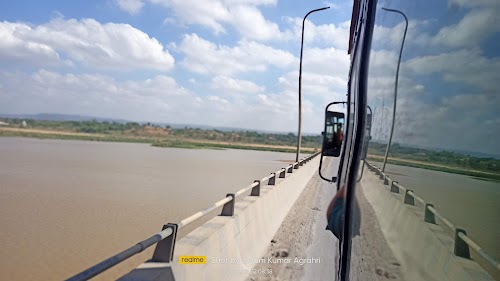
River – I can tell you that the Son River is a significant perennial river in central India. It's one of the largest southern tributaries of the Ganges River , flowing through several states before reaching Uttar Pradesh .
Why people come here
Natural Resource – People primarily interact with the Son River for its role in agriculture and local livelihoods. It's a vital source of water for irrigation, and its banks often support various communities. Some may visit for its natural beauty or for activities like fishing.
What to expect
Natural Environment – You can expect a natural riverine environment. The river's appearance can vary significantly depending on the season, from a wide, flowing waterway during the monsoon to a more subdued stream with exposed sandbanks in drier periods. The areas around the river are generally rural and agricultural.
Best time to go
Post-Monsoon – The best time to experience the Son River is generally after the monsoon season, from October to March. During these months, the weather is cooler and more pleasant, and the river will have a good flow without the intensity of the monsoon rains.
Practical info
Accessibility Varies – Access to the Son River varies greatly depending on the specific location along its course in Uttar Pradesh. You'll likely find local roads and pathways leading to its banks. There are no specific visitor facilities like those at a managed tourist spot, so it's advisable to be prepared with your own essentials.
Good to know
Ancient Significance – The Son River has historical and mythological significance, often mentioned in ancient Indian texts. It's known for its sandy banks and clear waters in many stretches, contributing to the local ecosystem and supporting diverse flora and fauna.