Glacial Lake – This is a picturesque high-altitude trek leading to Beas Kund, a pristine glacial lake nestled in the Pir Panjal mountain range. I understand it is considered the mythological source of the Beas River, a significant river flowing through Himachal Pradesh.
Why people come here
Nature & Adventure – Many adventurers and nature lovers come here for the stunning Himalayan landscapes, including lush meadows, dense forests, and panoramic views of towering peaks. It’s also a pilgrimage for some, drawn by the spiritual significance of the Beas River's origin.
What to expect
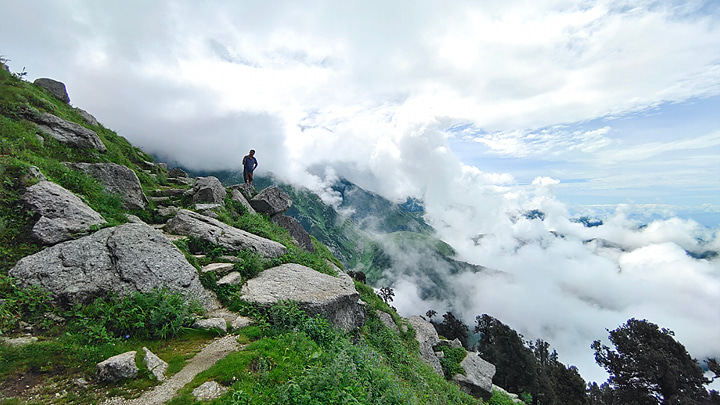
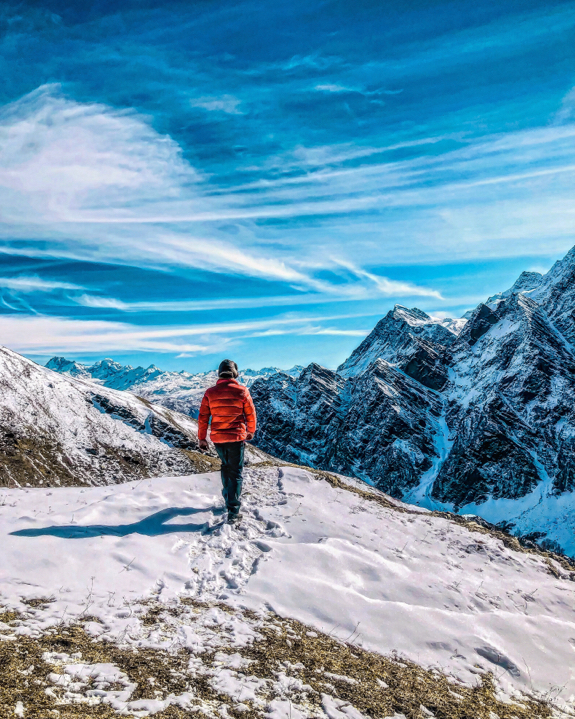
Challenging Views – On this trek, you can expect a moderate to challenging journey through varied terrain. I have learned that the trail offers breathtaking vistas of peaks like Friendship Peak and Hanuman Tibba. The air is crisp, and the atmosphere is generally serene, far from the usual crowds.
What to do here
Trekking – The primary activity is trekking to the glacial lake, offering an immersive experience in the high Himalayas.
Photography – The dramatic landscapes, alpine flowers, and clear skies provide ample opportunities for stunning photographs.
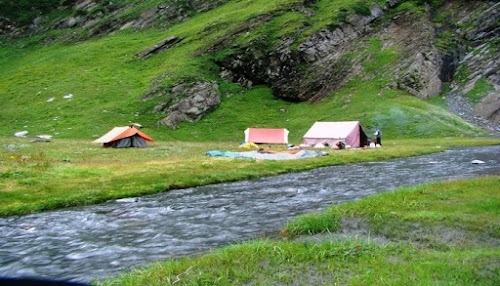
Camping – Many trekkers choose to camp overnight at designated spots like Bakarthach, to experience the mountain night sky.
Nature Observation – Take time to simply absorb the tranquility and observe the unique flora and fauna of the region.
Best time to go
Summer & Autumn – The most favorable times to undertake the Beas Kund Trek are from May to June and again from September to October. During these periods, the weather is generally stable, and the trails are clear of snow, offering pleasant trekking conditions.
Practical info
Permits & Guides – The trek typically starts from Solang Valley , near Manali . I advise that permits are often required for trekking in this region, and hiring an experienced local guide is highly recommended for safety and navigation, especially for those unfamiliar with the route. The trek usually spans 2 to 3 days.
Safety and preparedness
Gear & Acclimatization – Given the high altitude and unpredictable mountain weather, it is crucial to be well-prepared. I recommend carrying proper trekking gear, including sturdy shoes, warm layers, rain protection, and sufficient water and food supplies. Gradual acclimatization is essential to prevent altitude sickness.