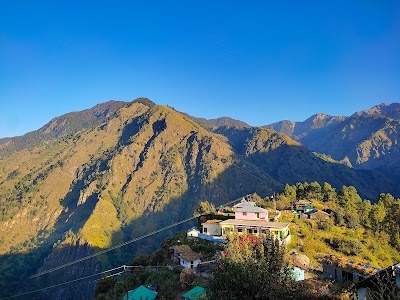
Himalayan Gateway – I see the Sankari Range as a magnificent section of the Indian Himalayas in Uttarakhand, serving as a primary gateway to some of the region's most iconic treks and natural wonders. It's a landscape of diverse ecosystems, from dense pine forests to vast alpine meadows.
Why people come here
Trekking & Nature – Many explorers come here for the unparalleled trekking opportunities, seeking out trails like Har Ki Dun and Kedarkantha . It's also a destination for those who wish to immerse themselves in the pristine natural beauty, enjoy solitude, and experience local Himalayan culture.
What to expect
Rugged Beauty – You can expect breathtaking vistas of snow-capped peaks, lush valleys, and gushing rivers. The atmosphere is generally tranquil, though base camps like Sankri can be bustling with trekkers. It's a place that appeals to adventurers, nature lovers, and those seeking an escape from urban life.
What to do here
Trekking & Exploring –
Trekking – Embark on multi-day treks to destinations like Har Ki Dun, Kedarkantha, or Bali Pass, each offering unique challenges and rewards.
Photography – Capture the dramatic landscapes, diverse flora and fauna, and vibrant local life.
Camping – Experience overnight stays under the stars in designated campsites amidst nature.
Village Exploration – Discover the traditional wooden houses and unique culture of remote Himalayan villages.
Best time to go
Spring/Autumn – I find the best times to visit are during the spring (April to June) when the rhododendrons bloom and temperatures are pleasant, or autumn (September to November) for clear skies and crisp views. Winter (December to March) is ideal for snow treks, but requires specific gear. The monsoon season (July-August) generally brings heavy rainfall and potential roadblocks.
Practical Info & Accessibility
Remote Access – Access to the Sankari Range typically involves reaching Dehradun or Rishikesh first, followed by a long scenic drive to base villages like Sankri . The treks themselves range from moderate day hikes to challenging multi-day expeditions, requiring varying levels of physical fitness.
Safety and Preparedness
High Altitude – Given the high altitude and remote nature, it's essential to be prepared. This includes carrying appropriate warm clothing, sturdy trekking shoes, a first-aid kit, and sufficient water. Acclimatization is crucial to prevent altitude sickness. Hiring experienced local guides is highly recommended for longer treks.
Good to know
Local Culture – The region is part of the Govind Pashu Vihar National Park and Wildlife Sanctuary, making it rich in biodiversity. You might encounter unique Himalayan flora and fauna. Respecting local customs and leaving no trace behind helps preserve this pristine environment.