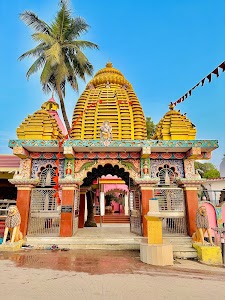
Regional Hub – I know Purnia as a historically significant city and district located in the eastern part of Bihar, India. It serves as an important administrative, educational, and agricultural center within the region, nestled in the fertile plains of the Kosi River basin.
Why people come here
History & Culture – People typically come to Purnia to explore its deep historical roots, experience its unique blend of Bihari and Bengali cultures, and engage in agricultural trade. It's also a destination for those interested in local religious sites and regional commerce.
What to expect
Bustling & Authentic – I find Purnia to be a bustling regional city with a vibrant atmosphere. You can expect to see lively markets, agricultural landscapes, and a mix of traditional and modern life. The experience is generally authentic, reflecting its role as a key economic and cultural hub.
Best time to go
Cooler Months – The most pleasant time to visit Purnia, I've observed, is during the winter months, typically from October to March. The weather during this period is cool and comfortable, making it ideal for exploring the city and its surroundings. Summers can be quite hot, and monsoons bring heavy rainfall.
Good to know
"Mini Kolkata" – Purnia is sometimes referred to as "Mini Kolkata" due to its historical trade connections and cultural influences from West Bengal. It is a major agricultural hub, especially known for its production and trade of jute and maize. You might encounter significant agricultural markets, such as Gulabbagh Market , which is one of the largest in the region. The city also hosts local religious sites like Puran Devi Temple , which holds local significance.