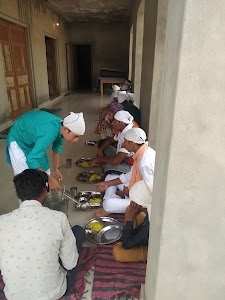
Sikh Temple – This is a Gurudwara Sahib, a sacred place of worship for followers of Sikhism. It serves as a community hub where people gather for spiritual solace, prayer, and communal service.
Spiritual or Cultural Significance
Community & Faith – Gurudwaras are central to Sikh life, representing the teachings of the Sikh Gurus. They embody principles of equality, selfless service (seva), and devotion to one God. These places are open to all, regardless of faith, caste, or creed.
Why People Come Here
Worship & Reflection – People typically visit Gurudwaras to participate in congregational worship (Sangat), listen to hymns (Kirtan), and hear discourses (Katha) from the Guru Granth Sahib, the holy scripture. Many also come for quiet contemplation, to offer prayers, or to engage in community service.
What to Expect
Peaceful Atmosphere – I find that Gurudwaras generally offer a peaceful and welcoming environment. You can expect to see devotees sitting on the floor, listening to spiritual music, and partaking in the community kitchen (Langar). The atmosphere is typically serene and respectful.
Visitor Etiquette
Respectful Conduct – When visiting, it's important to show respect. I recommend covering your head (scarves are often provided or you can bring your own) and removing your shoes before entering the main prayer hall. Photography may be restricted in certain areas. Maintain silence or speak softly, especially in the Darbar Sahib (main prayer hall).
Practical Info
Open to All – Gurudwaras are generally open throughout the day, though specific timings for services may vary. Langar, the free community meal, is typically served to all visitors, symbolizing equality and selfless service.
Good to Know
Langar Tradition – The tradition of Langar is a cornerstone of Sikhism, offering a simple, vegetarian meal to everyone who visits, without discrimination. It's a powerful demonstration of community spirit and hospitality.