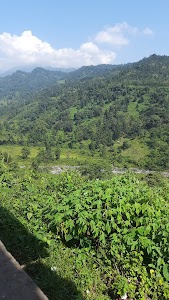
Darjiling Hilldoars Tea Garden, West Bengal, India
What is this place?
Tea Region – I see this as the expansive and renowned tea-growing belt spanning the hilly terrains of Darjeeling and the fertile plains of the Dooars in West Bengal. This region is globally celebrated for its distinctive teas, particularly the champagne of teas from Darjeeling.
Why people come here
Tea Experience – People typically visit to immerse themselves in the world of tea. It's a chance to witness the entire tea-making journey, from lush plantations to the final brew. The stunning natural beauty of the landscapes also draws many visitors.
What to expect
Green Serenity – Here, you can expect sprawling tea gardens covering rolling hills and vast plains, often shrouded in mist. The air is generally crisp and fresh. Depending on the specific estate, you might find a tranquil atmosphere, though some popular gardens can attract more visitors during peak seasons.
What to do here
Explore & Taste – I suggest exploring the tea estates, which often offer guided tours detailing the cultivation, plucking, and processing of tea leaves. Many estates provide opportunities for tea tasting, allowing you to sample various flushes. Photography amidst the scenic plantations is also a popular activity.
Best time to go
Harvest Seasons – For the most vibrant experience, I recommend visiting during the "flushes" when tea leaves are harvested. The First Flush (March to April) yields delicate teas, while the Second Flush (May to June) produces a bolder flavour. The Autumn Flush (October to November) is also pleasant. Avoid the monsoon season (July to September) due to heavy rainfall.
Practical info
Estate Access – Access and activities vary significantly between individual tea estates. Some larger estates offer accommodation and pre-booked tours. It's generally advisable to inquire or book in advance if you plan to visit a specific garden for a tour or tasting.
Good to know
GI Tagged – The tea from the Darjeeling region holds a Geographical Indication (GI) tag, signifying its unique origin and quality. This means that only tea cultivated and processed in the designated Darjeeling area can be called "Darjeeling Tea."