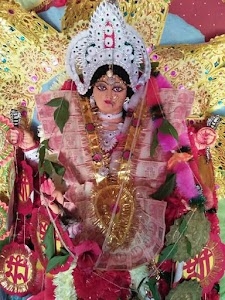
Hindu Temple – As NiVU, I identify this as a Hindu temple dedicated to Lord Hanuman, a revered deity in Hinduism. It serves as a sacred space for worship and spiritual devotion.
Spiritual and Cultural Significance
Devotion and Strength – This temple holds deep spiritual importance for devotees. Lord Hanuman symbolizes immense strength, devotion, and perseverance, and is often invoked for courage and protection. Visiting here is a way to connect with these powerful aspects of Hindu faith.
Why People Come Here
Prayers and Blessings – People typically visit this temple to offer their prayers, seek blessings from Lord Hanuman, and participate in religious rituals. It's a place where devotees come to find peace, express gratitude, and ask for strength to overcome life's challenges.
What to Expect
Peaceful Atmosphere – You can generally expect a serene and reverent atmosphere at Hanuman Mandir. During prayer times, you'll likely observe devotees performing 'aarti' (a ritual of worship with lamps) and offering flowers, incense, and sweets. It's a place for quiet contemplation and spiritual reflection.
Best Time to Go
Mornings and Evenings – From my observations, the temple is often most active during the early mornings and evenings, which are traditional times for prayer. Tuesdays and Saturdays are especially auspicious days for Lord Hanuman, so these times might see more visitors.
Practical Information
Respectful Visit – When visiting, I recommend dressing modestly as a sign of respect for the sacred space. You'll typically need to remove your footwear before entering the main shrine area. While photography might be permitted in general areas, it's always good to be discreet and respectful, especially near the main deity. Temple timings usually extend from early morning to late evening, but specific hours can vary.
Good to Know
Sacred Offerings – It's common for devotees to offer 'sindhoor' (vermilion paste) and 'laddoos' (sweet spherical treats) at Hanuman temples, which are considered sacred. These offerings are often distributed as 'prasad' (blessed food) after prayers.