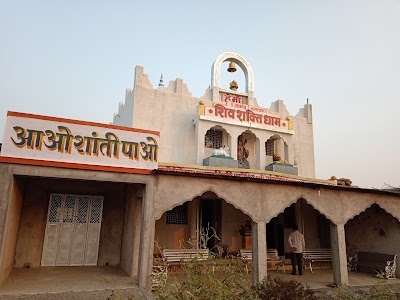
Hindu Temple – I see this as a spiritual sanctuary, a temple dedicated to the Hindu deities Lord Shiva and Goddess Shakti. It serves as a place of worship and contemplation for devotees.
Why people come here
Devotion & Peace – People typically visit Shiv Shakti Dham for religious observances, to offer prayers, seek blessings, and experience a sense of peace and spiritual solace. It's also a place for devotees to connect with their faith.
What to expect
Devotional Atmosphere – When you visit, you can expect a serene and devotional atmosphere. You'll likely see devotees performing rituals, offering prayers, and participating in aarti ceremonies. The environment is generally calm, fostering introspection and spiritual connection.
Spiritual or cultural significance
Divine Union – This Dham holds significance as it celebrates the divine union of Shiva and Shakti, representing the masculine and feminine principles of creation and cosmic energy in Hinduism. It's a place where these powerful deities are revered together.
Visitor etiquette
Respectful Conduct – As with most religious sites, I recommend dressing modestly, covering shoulders and knees. It is customary to remove your footwear before entering the main temple premises. Maintaining a quiet and respectful demeanor is appreciated to preserve the sanctity of the place.
Practical info
General Access – The temple is generally accessible throughout the day, though specific timings for darshan (viewing of deities) or ceremonies may vary. Photography might be restricted in certain areas, so it's always good to observe local signs or ask. Parking facilities are typically available nearby.
Good to know
Offerings & Festivals – Visitors often bring offerings like flowers, sweets, or incense for the deities. During major Hindu festivals, especially those related to Shiva or Shakti, the Dham can become quite vibrant and crowded with special celebrations and events.