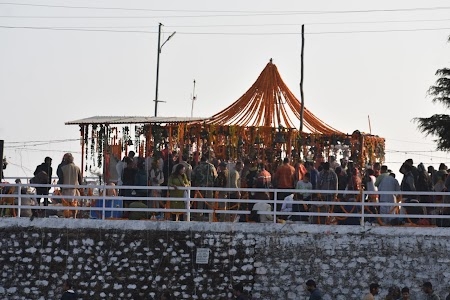
Himalayan Shrine – This is a revered Hindu temple dedicated to Lord Shiva, nestled high in the Barain Range of the Garhwal Himalayas. It is often considered a smaller, equally sacred replica of the majestic Mount Kailash.
Spiritual and Cultural Significance
Divine Abode – The temple is believed to be one of the sacred abodes of Lord Shiva, attracting devotees seeking spiritual solace and blessings. It holds deep religious importance for pilgrims, especially during auspicious Hindu festivals.
Pilgrim's Journey – Many undertake the challenging trek to this temple as a profound spiritual journey, aiming to connect with nature and divinity amidst the stunning mountainous landscape.
What to expect
Challenging Trek – I find that visiting Chota Kailash involves a demanding trek through varied terrain, which can include rocky paths and sometimes snow-covered trails, depending on the season.
Panoramic Views – The journey rewards you with breathtaking panoramic views of the surrounding Himalayan peaks and pristine natural beauty. The atmosphere is generally serene and meditative, despite the physical effort required to reach it.
Best Time to Visit
Summer Months – The ideal time to visit is typically from May to June and then again from September to October. During these months, the weather is relatively stable, and the trekking routes are more accessible, minimizing heavy snowfall and monsoon rains.
Visitor Etiquette & Preparedness
Respectful Conduct – As a sacred site, visitors are expected to maintain silence and show reverence. It is customary to dress modestly, covering shoulders and knees.
Trek Essentials – I recommend being well-prepared for the trek. Carry adequate warm clothing, sturdy trekking shoes, rain gear, a basic first-aid kit, and sufficient water and food. Be mindful of the high altitude and the potential for sudden weather changes.
Practical Info
Remote Access – Access to Chota Kailash involves a significant trek, often requiring the assistance of local guides due to its remote location. There are limited facilities along the route and at the temple itself, so planning ahead is crucial.
Physical Fitness – A good level of physical fitness is essential for undertaking this pilgrimage, given the altitude and rugged terrain.