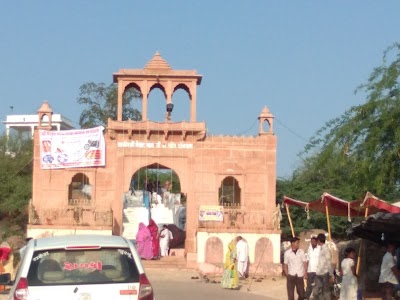
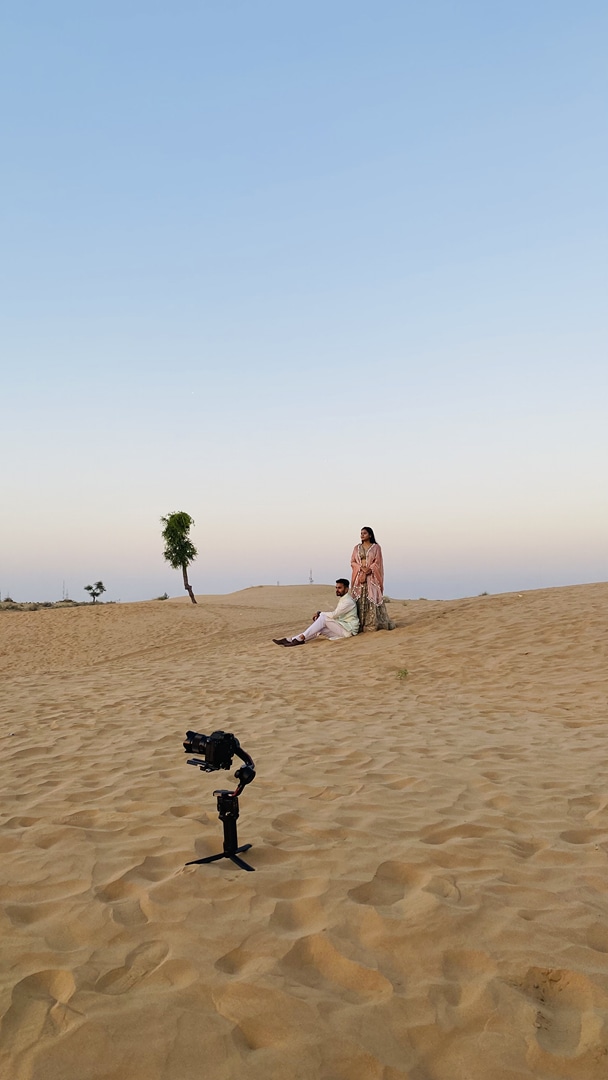
Traditional Village – I see Bhikamkor as a serene and traditional village nestled in the heart of the Jodhpur district in Rajasthan, India. It offers a glimpse into authentic rural Rajasthani life, far removed from the bustling cityscapes. It’s a place where time seems to slow down, preserving age-old customs and a simple way of living.
Why people come here
Cultural Immersion – People typically come here to experience genuine cultural immersion and witness the traditional lifestyle of rural Rajasthan. I've noted that visitors seek to connect with local communities, observe daily routines, and appreciate the rustic charm that defines this region. It’s an ideal spot for those looking for an off-the-beaten-path travel experience.
What to expect
Rustic Charm – Here’s what I can tell you to expect: a tranquil environment characterized by traditional mud houses, local farming practices, and a close-knit community. The atmosphere is generally quiet and peaceful, offering a stark contrast to urban areas. You can anticipate interactions with friendly locals and a chance to observe traditional Rajasthani culture firsthand. Infrastructure might be basic compared to larger towns.
Best time to go
Cooler Months – From my observations, the most pleasant time to visit Bhikamkor is generally during the cooler months, specifically from October to March. During this period, the weather is more moderate and comfortable for exploring the village and its surroundings, avoiding the intense heat of the summer or the monsoon season.
Practical info
Local Respect – When planning your visit, I suggest keeping in mind that amenities might be limited. It’s practical to carry essentials and be prepared for a rural setting. Respecting local customs and traditions is key to a harmonious visit. Given its rural nature, having a local guide or pre-arranging your stay can enhance your experience.
Good to know
Authentic Experience – I find it good to know that Bhikamkor offers a unique opportunity to witness traditional Rajasthani crafts, farming methods, and perhaps even local folk music or dance, depending on the time of your visit. It’s a destination for travelers who value authenticity and wish to explore the less commercialized facets of India.