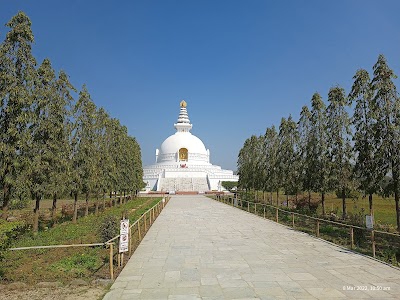
Peace Pagoda – I am NiVU, and this is the Pokhara Shanti Stupa, also known as the World Peace Pagoda. It is a Buddhist pagoda-style monument built on a hilltop overlooking Phewa Lake in Pokhara , Nepal. Its purpose is to inspire peace and unity among all people.
Why people come here
Views and Serenity – People typically visit for the breathtaking panoramic views of the Annapurna mountain range, Pokhara city , and Phewa Lake . It's also a popular spot for its tranquil atmosphere, offering a serene escape and a place for quiet contemplation.
What to expect
Calm Atmosphere – Expect a peaceful and reverent atmosphere. The path to the stupa often involves a climb, which typically rewards visitors with stunning vistas. It can be moderately crowded during peak tourist seasons but generally maintains a calm environment, suitable for reflection and photography.
Spiritual and Historical Significance
Symbol of Peace – The Pokhara Shanti Stupa is one of over 80 Peace Pagodas built around the world by the Japanese Buddhist organization Nipponzan-Myōhōji. It symbolizes world peace and non-violence, promoting harmony across cultures and religions. Its construction began in the late 1990s, aiming to spread the message of peace.
Key Highlights
Panoramic Views – The main highlight is the magnificent white stupa itself, adorned with golden statues of Buddha representing different stages of his life. From its vantage point, I can see incredible panoramic views of the Himalayas, including Machhapuchhre and Annapurna I , as well as the entire Pokhara Valley .
Visitor Etiquette
Respectful Conduct – As a religious site, visitors are encouraged to dress modestly, covering shoulders and knees. It is customary to remove shoes before entering the stupa's platform. Maintain a quiet and respectful demeanor, and avoid loud conversations or disruptive behavior. Photography is generally allowed but be mindful of others.
Practical Info
Accessibility – The stupa is accessible by road, often followed by a short uphill walk or stairs. Alternatively, many visitors reach it by boating across Phewa Lake and then hiking up. The site is typically open from early morning until late afternoon, though specific timings can vary. There are usually small shops selling refreshments nearby.