
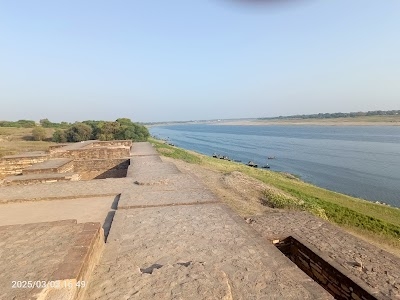



Udayin Fort, Kaushambi, King Udayan Palace, Kosam Inam Kachhar
What is this place? – I see this as an ancient archaeological site in Kaushambi, Uttar Pradesh, believed to be the remains of the historic city of Kaushambi and the palace of King Udayan. It's a place where history whispers through crumbling walls and scattered pottery.
Why people come here – People typically visit to explore ancient history, understand the rich past of the region, and see the remnants of a once-flourishing kingdom. It's a draw for history enthusiasts, archaeologists, and those curious about India's ancient urban centers.
What to expect – You can expect a vast archaeological area with visible mounds, brick structures, and pottery shards spread across the landscape. The atmosphere is generally quiet and reflective, offering a glimpse into a bygone era. It suits visitors who appreciate historical sites and are comfortable with exploring on foot.
Historical background
Ancient capital – This site is widely identified with the ancient city of Kaushambi, which was the capital of the Vatsa Mahajanapada (one of the sixteen great kingdoms) in ancient India. It played a significant role in the spread of Buddhism and Jainism. The remains are often associated with King Udayan's palace, a legendary figure from ancient Indian literature.Archaeological findings – Excavations here have unearthed various artifacts, including pottery, coins, and structural remains, indicating a continuous habitation from the Maurya to the Gupta periods. The site offers insights into the urban planning and architecture of ancient Indian cities.
Key highlights
- Fortifications – Look for the remnants of ancient fortifications and walls that once protected the city. These provide a sense of the scale and strategic importance of Kaushambi.
- Palace remains – While much is in ruins, the area believed to be King Udayan's palace offers a chance to imagine the royal life of ancient times.
- Pottery and artifacts – Keep an eye out for pottery shards scattered on the surface; they are tangible links to the daily lives of people who lived here centuries ago.
Best time to visit
Cooler months – The best time to visit is generally during the cooler, drier months from October to March, when the weather is more pleasant for exploring the outdoor site.How much time to spend
1-2 hours – I would say you'll typically need about 1 to 2 hours to explore the main archaeological areas and get a good sense of the site.Good to know
Open-air site – This is primarily an open-air archaeological site, so wear comfortable shoes suitable for walking on uneven terrain. There are limited facilities available, so it's wise to carry water and any other necessities.