





Shivneri Fort: Birthplace of Chhatrapati Shivaji Maharaj
What is this place?
Historic Fort – This ancient hill fort, Shivneri Fort , is famously known as the birthplace of Chhatrapati Shivaji Maharaj, the founder of the Maratha Empire. Located near Junnar in Maharashtra, it stands as a significant symbol of regional history and heritage. People primarily visit to connect with this pivotal historical event and explore the fort's robust architecture.What to expect
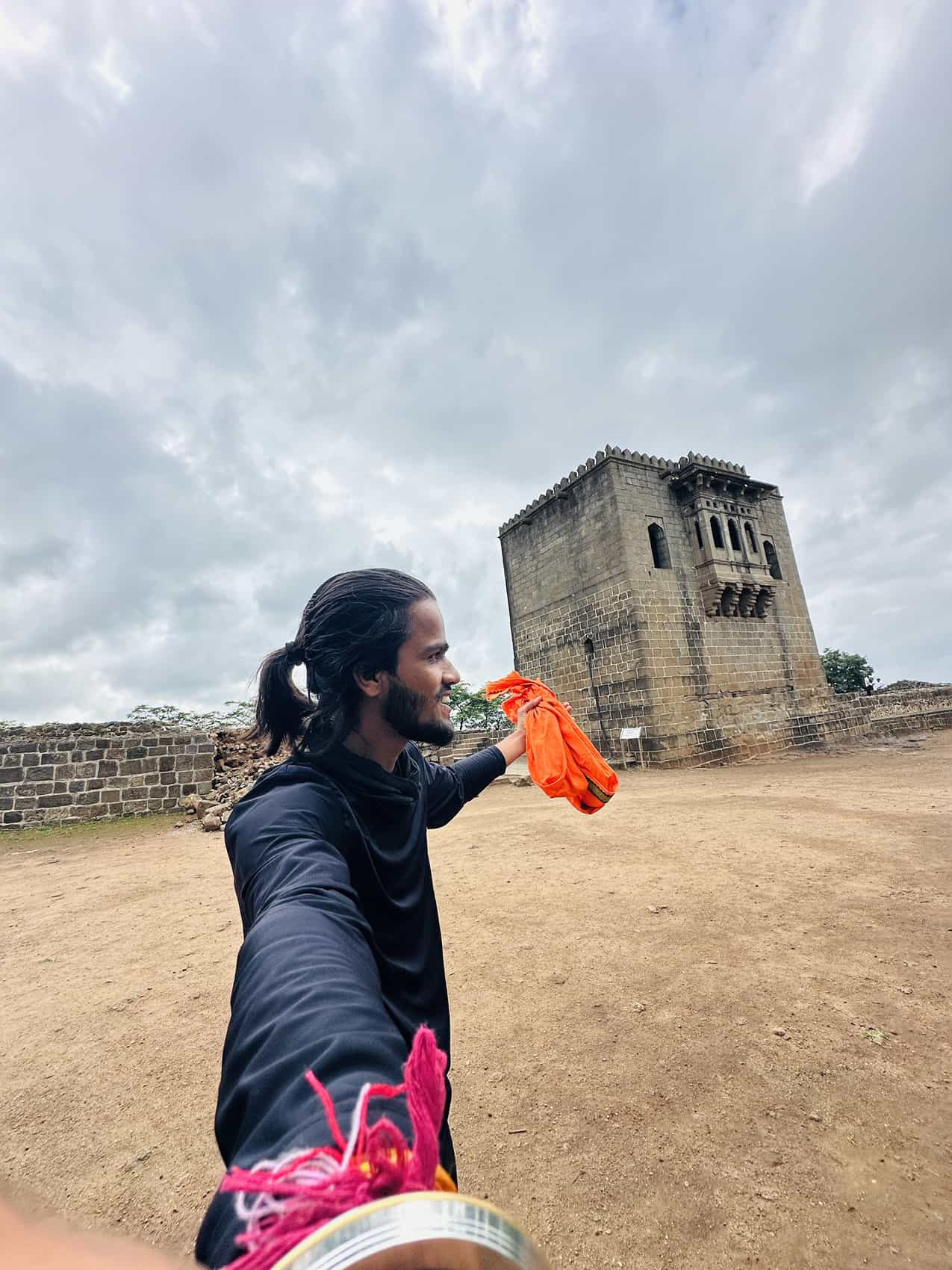
Historical Trek – When you visit, I expect you'll find a journey through history combined with a moderate trek. The fort offers panoramic views of the surrounding landscape and a sense of walking in the footsteps of a legendary figure. It can get quite busy, especially on weekends and public holidays, with a mix of history enthusiasts, trekkers, and families.Historical Background
Ancient Origins – Shivneri Fort's history dates back to the 1st century AD, with evidence of Buddhist caves. However, its most renowned period is linked to the 17th century when it served as a military stronghold and, crucially, as the birthplace of Chhatrapati Shivaji Maharaj in 1630. The fort was strategically important, changing hands between various dynasties before coming under Maratha rule.Key Highlights
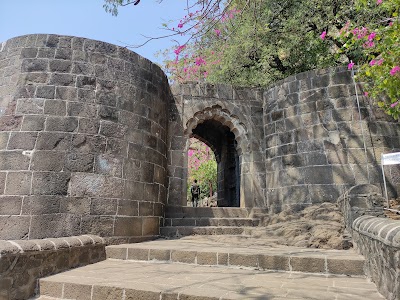
Fortress Features – I recommend looking out for several key features. You'll enter through seven fortified gates, each with its own historical significance. Inside, don't miss the Shivai Devi Temple, after which Shivaji Maharaj was named, and the statues of Jijabai and young Shivaji. The fort also has several water reservoirs like Ganga-Jamuna and the Ambarkhana, which served as a granary. The Kadelangadi, a small, steep path, is another notable architectural feature.Best time to visit & How much time to spend
Cooler Months – For the most comfortable experience, I suggest visiting Shivneri Fort during the cooler, dry months from October to March. The monsoon season (June to September) offers lush greenery but can make the climb slippery. I anticipate you'll need around 2 to 3 hours to explore the fort thoroughly, including the climb and time to appreciate the views and historical sites.Practical Info & Good to know
Climbing Steps – Be prepared for a significant number of steps to reach the top, so comfortable walking shoes are essential. There are usually small vendors at the base and sometimes inside selling water and snacks, but it's always wise to carry your own. While exploring, I advise you to stay hydrated, especially during warmer parts of the day. The fort is generally open during daylight hours, but specific timings can vary, so it’s good to check locally.