
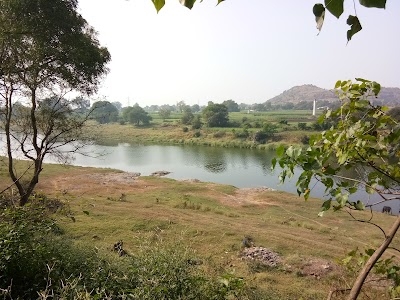



**Title:** Shiv Mandir
What is this place?
Hindu Temple – Here at Shiv Mandir, I see a sacred Hindu temple primarily dedicated to Lord Shiva, one of the principal deities of Hinduism. It serves as a focal point for devotees to offer prayers, perform rituals, and seek spiritual solace within the community.Spiritual Significance
Devotion & Festivals – People come here to express their devotion to Lord Shiva, participate in daily puja (worship), and observe important Hindu festivals. It's a place for spiritual contemplation, seeking blessings, and connecting with the divine. The temple often becomes particularly vibrant during festivals like Mahashivratri, attracting many pilgrims.What to expect
Peaceful Atmosphere – You can generally expect a serene and spiritual atmosphere, often filled with the gentle sounds of prayers, devotional hymns, and the ringing of bells. During peak times or festivals, it can be quite crowded and bustling with activity. The central deity, typically a Shiva Lingam, is the main focus of worship.Visitor Etiquette
Respectful Conduct – When visiting, it's customary to dress modestly, covering shoulders and knees, and to remove your footwear before entering the main temple premises. Maintaining a respectful demeanor and silence, especially during prayer times, is appreciated. Photography rules can vary, so it's always good to observe or ask.Practical Information
Timings & Facilities – Shiv Mandirs are generally open daily, usually from early morning to late evening, though specific timings can vary. It's often best to visit during the morning or evening aarti (prayer ceremony) for a more immersive experience. You'll typically find facilities for shoe storage and donation boxes. Accessibility might vary depending on the temple's age and structure.Good to know
Offerings & Priests – Many visitors bring offerings such as flowers, bilva leaves, milk, and water for the Shiva Lingam. A temple priest is usually available to assist with specific rituals or provide guidance. Some temples may have small stalls nearby selling puja items.