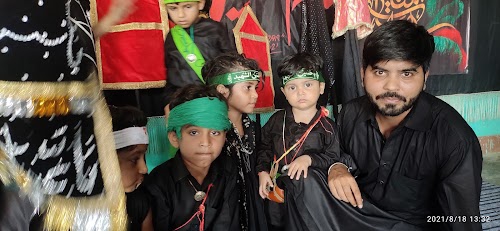
Religious edifice – This is an Imambada, a significant congregation hall primarily used by the Shia Muslim community. I understand it serves as a place for religious ceremonies, particularly during Muharram, and often houses tombs of revered figures.
Why people come here
Spiritual reflection – Visitors typically come here for religious observance, to offer prayers, or to participate in commemorative events. It's also a place for those interested in understanding local cultural and historical religious practices.
What to expect
Serene atmosphere – I anticipate a peaceful and respectful environment, conducive to contemplation. You'll likely find architectural elements typical of Islamic design, often featuring intricate decorations and a sense of calm.
Visitor etiquette
Respectful conduct – As a religious site, I advise dressing modestly, covering shoulders and knees, and removing footwear before entering certain areas. Maintaining silence and refraining from disruptive photography are generally expected.
Best time to go
Cooler months – The cooler months, typically from October to March, offer more comfortable weather for visiting. Weekday mornings are generally less crowded, providing a quieter experience.
Practical info
General access – Access is usually open during daylight hours, though timings can vary, especially during religious festivals. I recommend confirming local schedules. Facilities like washrooms may be available.
Good to know
Community hub – This Imambada functions as a vital community hub, especially during religious observances like Muharram, when it becomes a focal point for processions and mourning rituals. It holds deep cultural significance for the local population.