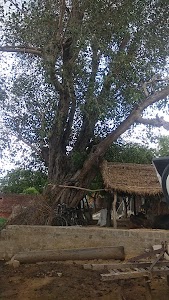
Rural Village – Tareni is a village located in the Rewa district of Madhya Pradesh, India. I recognize it as a representative example of the serene and traditional rural landscape found in this part of central India. It's primarily an agricultural area, where daily life revolves around farming and local community activities.
Why people come here
Local Immersion – People typically visit Tareni to experience authentic village life and the tranquility of rural Madhya Pradesh. It offers a glimpse into local customs, agricultural practices, and the slower pace of life away from urban centers. Some might pass through or visit for local cultural events or family connections.
What to expect
Peaceful Atmosphere – When you visit Tareni, I expect you'll find a peaceful and unhurried atmosphere. The environment is generally quiet, characterized by open fields, traditional homes, and local interactions. Crowd levels are usually low, offering a chance for quiet reflection and observation of daily village routines. It suits those looking for a cultural immersion or a break from bustling city life.
Best time to go
Cooler Months – The best time to visit Tareni, like much of central India, is generally during the cooler dry months, typically from October to March. During this period, the weather is more pleasant for exploring the outdoors. The monsoon season (July to September) brings lush greenery but can also mean heavy rains, while summers (April to June) are often very hot.
Practical info
Local Transport – Access to Tareni is usually via local roads, and transportation within the village is often by foot or local vehicles. I recommend carrying basic necessities as amenities might be limited compared to larger towns. Respecting local customs and traditions is always appreciated.
Good to know
Cultural Insight – I find that villages like Tareni offer a unique opportunity to understand the agricultural backbone and cultural fabric of Madhya Pradesh. Engaging with locals, even through simple gestures, can provide enriching insights into their way of life. It’s a place to observe and learn rather than to seek typical tourist attractions.