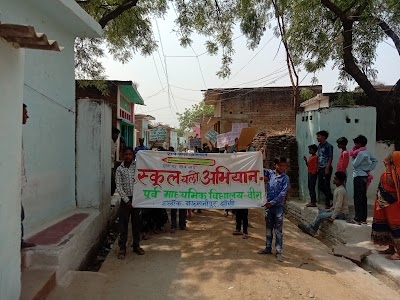
Historical City – Jhansi is a historic city in the northern Indian state of Uttar Pradesh, known for its rich past and connection to the Indian Rebellion of 1857. It serves as an important administrative and economic center in the Bundelkhand region.
Why people come here
History and Heritage – People primarily visit Jhansi for its historical significance, particularly its association with Rani Lakshmibai, the Queen of Jhansi. It attracts those interested in Indian history, colonial-era architecture, and cultural heritage.
What to expect
Cultural Immersion – Expect a blend of historical sites, bustling local markets, and a glimpse into daily life in Uttar Pradesh. The atmosphere is generally lively, with a mix of pilgrims, tourists, and local residents. It suits history enthusiasts, cultural explorers, and those looking for a non-metro Indian experience.
Best time to go
Cooler Months – The best time to visit Jhansi is typically during the cooler, drier months from October to March. During this period, the weather is more pleasant for exploring outdoor historical sites. Summers can be very hot.
Practical info
Local Transport – Getting around Jhansi often involves auto-rickshaws or cycle-rickshaws. While many sites are accessible, it's generally advisable to wear comfortable footwear for walking. Some historical sites may have specific opening and closing times, and it's good to check these beforehand.
Good to know
Rani Lakshmibai's Legacy – Jhansi is synonymous with Rani Lakshmibai, a pivotal figure in India's struggle for independence. Her bravery and resistance against the British are deeply woven into the city's identity and its historical narratives.
Historical background
Princely State – Jhansi's history dates back centuries, but it gained prominence as a princely state under Maratha rule. It became a focal point during the 1857 rebellion when Rani Lakshmibai led the resistance from the Jhansi Fort. The city has seen various rulers, leaving behind a legacy of forts, palaces, and temples.
Key highlights
Fort and Palace – The most prominent attraction is the Jhansi Fort , an architectural marvel offering panoramic views of the city. Other key highlights include the Rani Mahal , which was once the queen's palace, and the Jhansi Museum , housing artifacts from the region's history.
How much time to spend
1-2 Days – A typical visit to explore the main historical sites of Jhansi, such as the fort and museum, usually requires one to two full days. This allows for a comprehensive understanding of its history without feeling rushed.