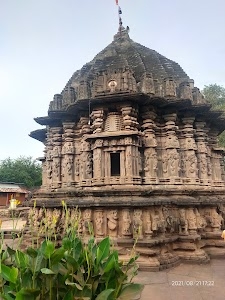
Ancient Temple – Khidrapur is a serene village in Kolhapur district, Maharashtra, primarily known for the magnificent Kopeshwar Temple . This ancient temple is a remarkable example of Hemadpanthi architecture, drawing visitors for its historical and spiritual allure. It stands as a testament to medieval Indian craftsmanship and devotion.
Historical & Spiritual Significance
Sacred Heritage – The Kopeshwar Temple dates back to the 12th-13th century, built by the Shilahara king Gandaraditya. It is dedicated to Lord Shiva, revered for its unique open-to-sky sanctum where the main deity, a Shiva Lingam, is worshipped. The temple also uniquely houses a Vishnu idol alongside Shiva, symbolizing a rare harmony between Vaishnavism and Shaivism.
Architectural Marvels
Intricate Carvings – What truly sets this temple apart is its extraordinary architecture. I find the Swarga Mandap, or 'heavenly pavilion', particularly captivating, supported by 48 intricately carved pillars. The exterior walls are adorned with detailed sculptures of gods, goddesses, celestial beings, and a unique frieze of elephants, each in a different pose.
What to expect
Peaceful Exploration – When you visit, expect a journey into history and spirituality in a tranquil setting. The atmosphere is generally calm and conducive to reflection and appreciating the intricate artistry. It's a place where you can spend time admiring the detailed carvings and the unique structural elements, making it ideal for history enthusiasts, architecture lovers, and those seeking spiritual solace.
Visitor Etiquette
Respectful Conduct – As a religious site, respectful behavior is expected. I recommend dressing modestly, covering shoulders and knees, and removing your footwear before entering the temple premises. Photography is generally permitted, but it's always wise to be discreet and respectful, especially within the inner sanctums or during prayer times.
Practical Info
Visiting Guidance – The temple is typically open from early morning to late evening, though specific timings can vary. It's best visited during the cooler months, from October to March, to comfortably explore the outdoor architecture. Allow at least 1-2 hours to fully appreciate the temple's details. Parking is usually available nearby, and the site is generally accessible, though some areas may involve stairs.